


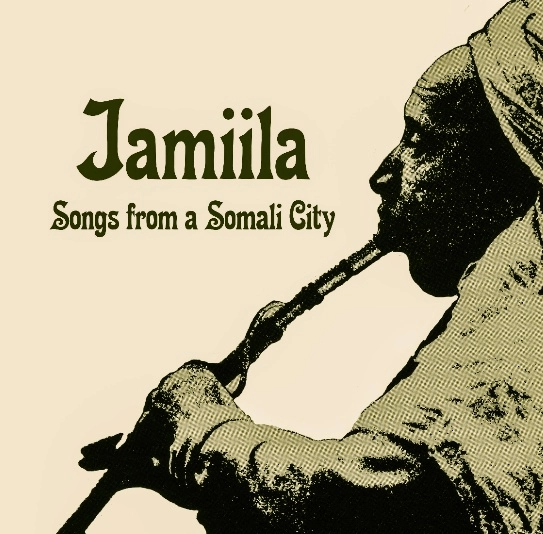
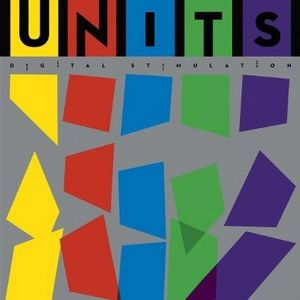
ソマリアの音楽をコンパイルしたレコードとして非常に高い評価を受けてきた1987年の名作が待望のLP復刻
 レコード
- 通販番号
- 1007931647
- 発売日
- 2019年11月01日
- EAN
- 0634438518242
商品詳細情報
Reissue, originally released in 1987. The eastern African nation of Somalia is rich in cultural influences. Wrapped part way around Ethiopia, it forms the sea coast of the Horn of Africa. Somalia was one of the first African countries converted to Islam, in the Eighth and Ninth centuries. During the 18th and 19th century, the Somali ports were controlled by Arabs and by the Ottoman Empire. During the European colonial period, the north was a British, and the south an Italian, colony. Independent Somalia still shows varying effects of these influences (Arabic, English and Italian are all used for teaching). Musically speaking, Somalia forms part of an eastern African Islamic continuum that includes the coast of Kenya and Tanzania as well as Sudan, and is more loosely linked with North and Muslim West Africa. (Kismayu, in the south of Somalia, is in fact the most northerly frontier of the Swahili music called "taarab" or "tarabu"). The main traditional instrument of Somalia is the "ud", imported from Egypt or Lebanon and known locally as the "kaban". Another common instrument is the "taruumbo", or flute. The one heard on several of these tracks was a homemade, end-blown version cut from a piece of plastic tubing. As is true for the whole of Africa, the standard six-string acoustic guitar has been taken over by Somali musicians and played in a wide range of styles. Small keyboard instruments have also long been a feature of East African coastal music. In the old days, portable harmoniums were popular. In Somalia, the market has been captured by Japanese-made organs with built-in rhythm, like the one heard on four tracks here. The music on this album was all recorded in one town, Baraawe (usually called Brava on the maps). Baraawe, which is on the Somali coast about 120 miles south of the capital, Mogadishu, has a population of around 10,000. Like all African towns of any size it is something of a melting pot. The original inhabitants, like the Swahili to their south, are of mixed Arab and Bantu African heritage, and speak a Bantu language called Chimina. Somalis from various other areas, speaking standard Somali and several dialects of it, also live in Baraawe. The musicians heard here play regularly together in various combinations. Like almost all African musicians, they are part-timers. Some are shoemakers. Two are soldiers. All the pieces they perform on this recording are love songs. Features Kuusow "Kurtunwaarey", Amin Xaaji Cusmaan, Cabdulaahi Iman "Zamir", Xasan Xaaji Maxamed, and Nuur Maxamed "Curuba".
ソングリスト
-
A1. Kuusow "Kurtunwaarey", Amin Xaaji Cusmaan, Cabdulaahi Iman "Zamir" - Jamiila
-
A2. Amin Xaaji Cusmaan, Xasan Xaaji Maxamed - Laac
-
A3. Amin Xaaji Cusmaan - Dakhtar
-
A4. Kuusow "Kurtunwaarey", Amin Xaaji Cusmaan, Nuur Maxamed "Curuba" - Yaabint
-
B1. Kuusow "Kurtunwaarey", Amin Xaaji Cusmaan, Cabdulaahi Iman "Zamir" - Muumina
-
B2. Amin Xaaji Cusmaan, Xasan Xaaji Maxamed - Ma Korto
-
B3. Amin Xaaji Cusmaan - Laiilaaf
-
B4. Cabdulaahi Iman "Zamir", Amin Xaaji Cusmaan, Nuur Maxamed "Curuba" - Siina Miiri
こちらから


ニュース&特集 NEWS & FEATURES

2026.10.15
トピック

2026.09.04
トピック

2026.09.04
トピック

2026.09.01
トピック
2026.10.20
ソウル・ブルース
2026.10.20
パンク
2026.10.20
ジャズ
2026.10.20
ハードロック・ヘヴィメタル

2026.10.20
ハードロック・ヘヴィメタル
2026.10.20
クラブ・ダンス
2026.10.20
ヒップホップ・R&B
2026.10.20
ヒップホップ・R&B

2026.10.20
ラテン・ブラジル・ワールド
2026.10.20
プログレッシヴロック



読み込み中...
アーティスト
タイトル
レーベル
詳細検索
読み込み中...
チェックしたアイテム RECENTLY VIEWED
チェックしたアイテムはありません






2015年06月26日 / LP(レコード) / IMPORT
売切
レコード
