


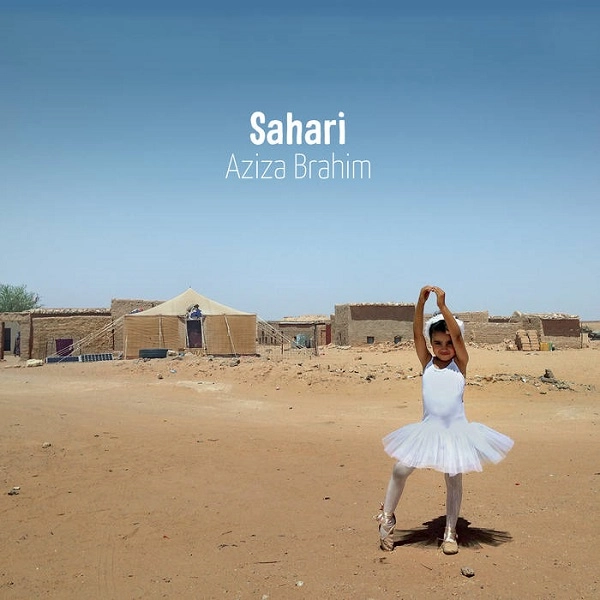
アルジェリア:西サハラ難民キャンプで生まれ育ち、キューバを経てバルセロナに拠点を置く女性シンガーソングライターで活動家のアジザ・ブラヒムのGLITTERBEATからの3作目がリリース!
 レコード
廃盤
- 試聴可能
- 通販番号
- 1007983411
- 発売日
- 2019年11月19日
- EAN
- 4030433608319
¥2,750
(税込)
ご注文できません
バリエーション

商品詳細情報
アルジェリア:西サハラ難民キャンプで生まれ育ち、キューバを経てバルセロナに拠点を置く女性シンガーソングライターで活動家のアジザ・ブラヒムのGLITTERBEATからの3作目がリリース! 砂漠のブルース的なギターサウンドが根底にありつつ様々な音楽性を含んだサウンドは、スペインのグループ、AmparanoiaのリーダーであるAmparo Sánchezjとのコラボレーションが結実した作品。
LP version. 180 gram vinyl; includes download code.
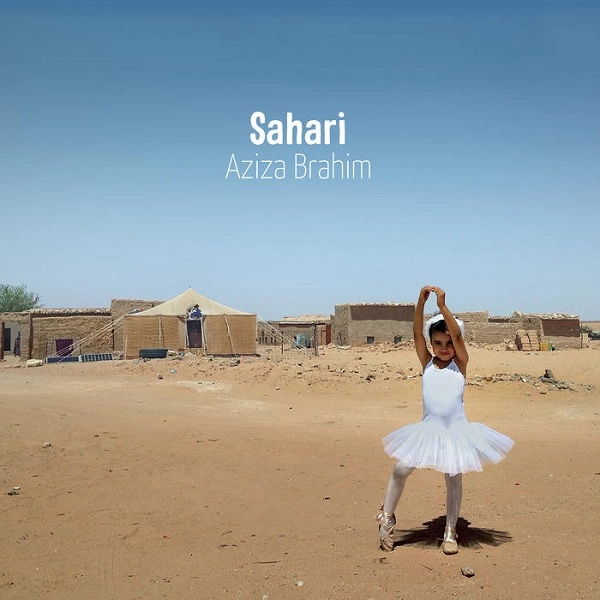
On the front cover of Saharawi singer-songwriter and activist Aziza Brahim's new album, Sahari, a young girl poses in ballet shoes and a glistening white tutu. It's a common childhood scene, but it's tipped upside down. She's an exile, living nowhere near her homeland, and behind her stand the tents and buildings of a refugee camp. There's a desert on the ground and a burning sky above. Yet even in this bleakness, she has optimism. She believes in a better future. The music Aziza Brahim makes reflects both the sorrow and the hope of these people. She grew up in one of those camps in the Algerian desert, along with thousands of other Saharawi who were removed from their homes in the Western Sahara. Her grandmother was a famous Saharawi poet, her mother well-known as a vocalist, and they passed their strength and fearlessness to her. Now, as one of North African most lauded singers, Brahim uses her position to make the plight of her people known -- and of the refugees across the world who have no choice but to exist in the camps. Sahari is for them as much as it's for her own family. The political remains intensely personal for Brahim. She lives in exile, in Spain, and the music for Sahari -- her third album for Glitterbeat -- was written there. And while her songs remain grounded in her homeland, her gaze is increasingly global. To achieve that, Brahim worked with the acclaimed Spanish artist Amparo Sánchez of the band Amparanoia on the album's pre-production, and the collaboration has made a transformative impact on the music. The focus is broader, with programming and keyboards a vital part of the new sound. The different approach extends to the very root of Brahim's music, the tabal drum that's been the heart of Saharawi music for centuries. The process was made smoother by having a sympathetic band who've been with her for years. All the members played a part in framing the new material. When Brahim began as a composer, her work reflected her own reality, growing up in the far, rocky desert known as the hamada. These days she's become a voice for refugees across the globe, and what she sees every day on the news has inevitably affected her writing. Perhaps Aziza's empowered, healing music, can help refuel our sense of justice and compassion.
ソングリスト
Disc 1
-


A1. Cuatro proverbios
-
A2. Sahari
-
A3. Hada jil
-
A4. Lmanfa
-
A5. Mujayam
-
B1. Leil
-
B2. Masaa tufulati
-
B3. Ard el hub
-
B4. Las huellas
-
B5. Ahlami
商品一覧・検索は
こちらから
こちらから


ニュース&特集 NEWS & FEATURES

2026.10.22
トピック

2026.10.15
トピック

2026.09.04
トピック

2026.09.04
トピック

2026.09.01
トピック
2026.10.24
ノイズ ・ アヴァンギャルド
2026.10.24
レゲエ
2026.10.24
ノイズ ・ アヴァンギャルド

2026.10.23
トピック

2026.10.23
ソウル・ブルース
2026.10.23
ヒップホップ・R&B
2026.10.23
クラシック
2026.10.23
クラブ・ダンス

2026.10.23
レゲエ

2026.10.23
ラテン・ブラジル・ワールド




読み込み中...
アーティスト
タイトル
レーベル
詳細検索
読み込み中...
チェックしたアイテム RECENTLY VIEWED
チェックしたアイテムはありません


¥18,920
(税込)

¥4,180
(税込)

¥1,551
(税込)

¥4,400
(税込)
¥2,090
(税込)

¥5,500
(税込)
¥2,136
(税込)

¥3,850
(税込)

¥2,750
(税込)
¥2,200
(税込)