


-
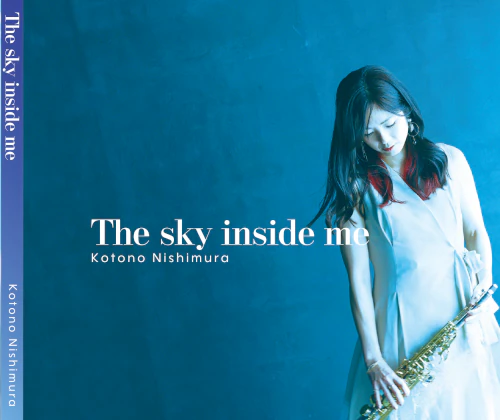
西村琴乃のサックスが、内なる自然と空を「より壮大に、より綺羅びやかに」描き出す、珠玉の最新作!
- MU Records / JPN / CD / MCR4140 / 1009303412 / 2026年10月21日
 CD
予約 商品が発売になり次第発送前作から5年。バンドサウンドから一転、至高のアコースティック編成で贈る第3作。西村琴乃のサックスが、内なる自然と空を「より壮大に、より綺羅びやかに」描き出す、珠玉の最新作!前作から5年ぶりのリリースとなる本作は、自然や自身の心の中の風景を表現した、スケール感あふれる壮大な意欲作となりました。今回はこれまでのバンドサウンドから一転し、ソプラノサックスを中心とした、ピアノ、ビブラフォン、パーカッションを迎えた4重奏(カルテット)のアコースティック編成で収録しています。4つの楽器の個性が美しく共鳴しあうことで、かつてないほど綺羅びやかで透明感のある音世界を作り上げました。西村琴乃のサックスが描き出す、心の中に広がる無限の空と美しい情景を、ぜひ音でたっぷり感じていただけたら嬉しく思います。Saxophone 西村琴乃Vibraphone 山本玲子Piano 柳原由佳Percussion 池田安友子¥3,300 (税込)カートに商品が追加されました カートを見る
CD
予約 商品が発売になり次第発送前作から5年。バンドサウンドから一転、至高のアコースティック編成で贈る第3作。西村琴乃のサックスが、内なる自然と空を「より壮大に、より綺羅びやかに」描き出す、珠玉の最新作!前作から5年ぶりのリリースとなる本作は、自然や自身の心の中の風景を表現した、スケール感あふれる壮大な意欲作となりました。今回はこれまでのバンドサウンドから一転し、ソプラノサックスを中心とした、ピアノ、ビブラフォン、パーカッションを迎えた4重奏(カルテット)のアコースティック編成で収録しています。4つの楽器の個性が美しく共鳴しあうことで、かつてないほど綺羅びやかで透明感のある音世界を作り上げました。西村琴乃のサックスが描き出す、心の中に広がる無限の空と美しい情景を、ぜひ音でたっぷり感じていただけたら嬉しく思います。Saxophone 西村琴乃Vibraphone 山本玲子Piano 柳原由佳Percussion 池田安友子¥3,300 (税込)カートに商品が追加されました カートを見る -
- APRIL RECORDS (DENMARK) / IMPORT / CD / APR172CD / 1009303669 / 11月下旬入荷予定
CD
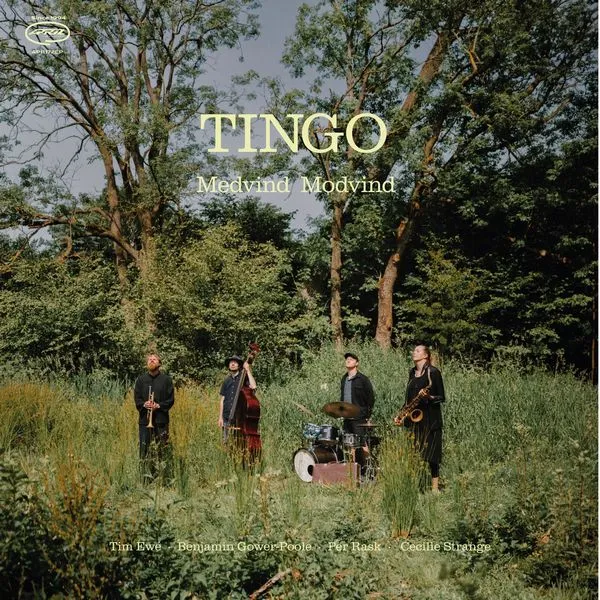
予約 商品が発売になり次第発送TINGOは、スカンジナビアの音楽シーンで注目を集める新たなジャズ/フォーク・アクトです。Danish Music Awards Jazz 2023およびDanish Music Awards Roots 2023で「New name of the year」にノミネートされたTingoのセカンドアルバム『Medvind Modvind』が、2026年10月にApril Recordsからリリースされます。 アルバム・タイトルの『Medvind Modvind(向かい風、追い風)』は、人生のダンスをテーマにしています。時に私たちを望む方向へ押し進め、時には押し通らなければならない壁のように立ちはだかり、また時には夕暮れの空を行く雄大な雲のように、ただゆっくりと漂っていく――そんな力強い風のひと吹きについて歌っています。 楽器同士が絡み合い、反応し合うことで、メロディーが織り込まれたりほどけたりしていきます。それは、葉や枝をさらさらと揺らし、かさかさと音を立てる、いたずらっぽい一筋の風のようです。Tingoはジャズ的なアプローチによって、古くから伝わるスカンジナビアのフォーク・メロディーを新たに解釈し、息を吹き込みながら、オリジナル曲と組み合わせています。 TIM EWE: TRUMPET,CORNETCECILIE STRANGE: TENOR SAXOPHONE,PERCUSSIONBENJAMIN GOWER: BASSPER RASK: DRUMS & PERCUSSION¥2,860 (税込)カートに商品が追加されました カートを見る -
- APRIL RECORDS (DENMARK) / IMPORT / LP(レコード) / APR172LP / 1009303668 / 11月下旬入荷予定
 レコード
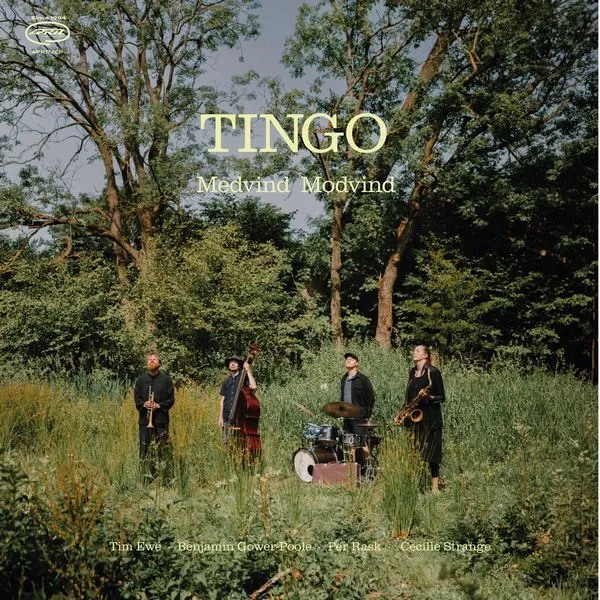
予約 商品が発売になり次第発送TINGOは、スカンジナビアの音楽シーンで注目を集める新たなジャズ/フォーク・アクトです。Danish Music Awards Jazz 2023およびDanish Music Awards Roots 2023で「New name of the year」にノミネートされたTingoのセカンドアルバム『Medvind Modvind』が、2026年10月にApril Recordsからリリースされます。アルバム・タイトルの『Medvind Modvind(向かい風、追い風)』は、人生のダンスをテーマにしています。時に私たちを望む方向へ押し進め、時には押し通らなければならない壁のように立ちはだかり、また時には夕暮れの空を行く雄大な雲のように、ただゆっくりと漂っていく――そんな力強い風のひと吹きについて歌っています。楽器同士が絡み合い、反応し合うことで、メロディーが織り込まれたりほどけたりしていきます。それは、葉や枝をさらさらと揺らし、かさかさと音を立てる、いたずらっぽい一筋の風のようです。Tingoはジャズ的なアプローチによって、古くから伝わるスカンジナビアのフォーク・メロディーを新たに解釈し、息を吹き込みながら、オリジナル曲と組み合わせています。TIM EWE: TRUMPET,CORNETCECILIE STRANGE: TENOR SAXOPHONE,PERCUSSIONBENJAMIN GOWER: BASSPER RASK: DRUMS & PERCUSSION¥4,400 (税込)カートに商品が追加されました カートを見る
レコード
予約 商品が発売になり次第発送TINGOは、スカンジナビアの音楽シーンで注目を集める新たなジャズ/フォーク・アクトです。Danish Music Awards Jazz 2023およびDanish Music Awards Roots 2023で「New name of the year」にノミネートされたTingoのセカンドアルバム『Medvind Modvind』が、2026年10月にApril Recordsからリリースされます。アルバム・タイトルの『Medvind Modvind(向かい風、追い風)』は、人生のダンスをテーマにしています。時に私たちを望む方向へ押し進め、時には押し通らなければならない壁のように立ちはだかり、また時には夕暮れの空を行く雄大な雲のように、ただゆっくりと漂っていく――そんな力強い風のひと吹きについて歌っています。楽器同士が絡み合い、反応し合うことで、メロディーが織り込まれたりほどけたりしていきます。それは、葉や枝をさらさらと揺らし、かさかさと音を立てる、いたずらっぽい一筋の風のようです。Tingoはジャズ的なアプローチによって、古くから伝わるスカンジナビアのフォーク・メロディーを新たに解釈し、息を吹き込みながら、オリジナル曲と組み合わせています。TIM EWE: TRUMPET,CORNETCECILIE STRANGE: TENOR SAXOPHONE,PERCUSSIONBENJAMIN GOWER: BASSPER RASK: DRUMS & PERCUSSION¥4,400 (税込)カートに商品が追加されました カートを見る -
- APRIL RECORDS (DENMARK) / IMPORT / LP(レコード) / APR163LP / 1009301202 / 11月下旬入荷予定
レコード
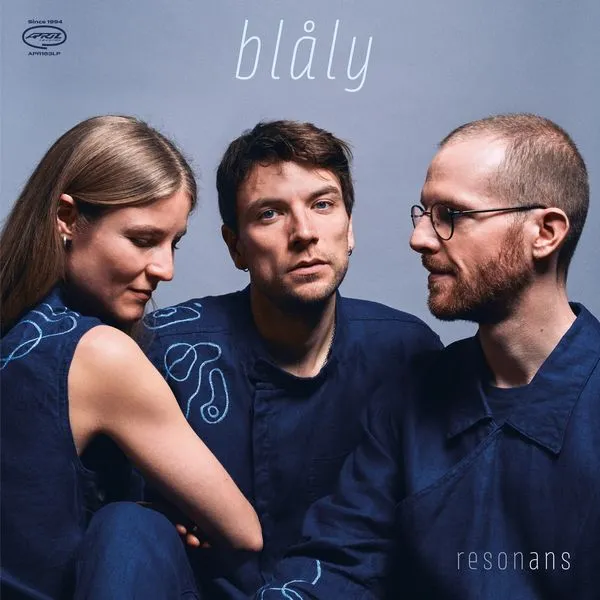
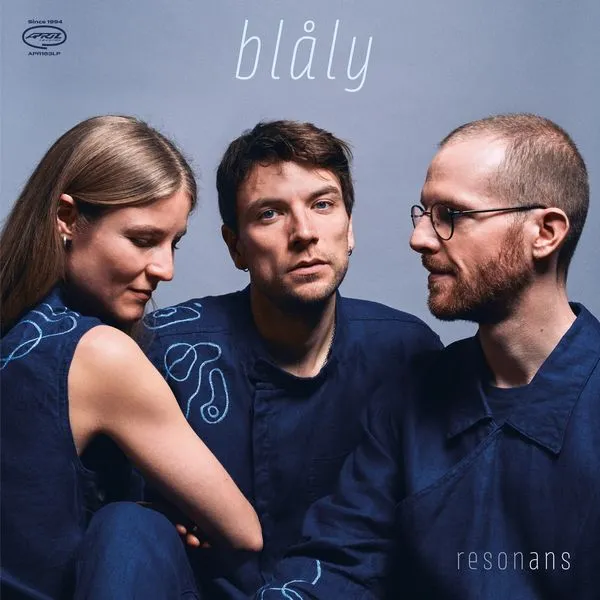
予約 商品が発売になり次第発送北欧注目のピアノトリオ2作目が登場!!ブローリーの2枚目のアルバムは北欧的なサウンドの探求を続けており、今作品は彼らの共同作曲プロセスに重点を置いています。デビューアルバムが主にピアニストのバーバラの過去の作曲に基づいていたのに対し、2枚目のアルバムでは3人全員が作曲・編曲を担当しています。トリオは共に異なる新しい音楽制作の方法を模索しています。ツアー中に一緒に作ったものもあれば、別々に作ったもの、リハーサルルームで作られたものもあり、しばしばその三つを組み合わせて作られます。 バーバラ・フィグ、ティモン・マテルン、ヨハン・キェール・ハウヴァーは、クラシック音楽院RDAMの音楽教育プログラムで出会いました。サウンドはコラボレーションとコミュニティに根ざしており、音楽詩、ジャズ、フォーク、北欧、クラシックの伝統の要素を取り入れています。ブローリーという名前については、トリオはそれが解釈の余地がある作り言葉であると説明しています。デンマーク語で「避難所」を意味する「ly」に由来する名前の「ブローリー」は、トリオが音楽制作の中で共有する安全感と内省の感覚を反映しており、それを聴衆に伝えたいと考えています。Barbara Fiig: PianoTimon Matern: DrumsJohan Kjær Houver: Double Bass¥4,400 (税込)カートに商品が追加されました カートを見る -
- APRIL RECORDS (DENMARK) / IMPORT / CD / APR163CD / 1009303667 / 11月下旬入荷予定
CD
予約 商品が発売になり次第発送北欧注目のピアノトリオ2作目が登場!!ブローリーの2枚目のアルバムは北欧的なサウンドの探求を続けており、今作品は彼らの共同作曲プロセスに重点を置いています。デビューアルバムが主にピアニストのバーバラの過去の作曲に基づいていたのに対し、2枚目のアルバムでは3人全員が作曲・編曲を担当しています。トリオは共に異なる新しい音楽制作の方法を模索しています。ツアー中に一緒に作ったものもあれば、別々に作ったもの、リハーサルルームで作られたものもあり、しばしばその三つを組み合わせて作られます。 バーバラ・フィグ、ティモン・マテルン、ヨハン・キェール・ハウヴァーは、クラシック音楽院RDAMの音楽教育プログラムで出会いました。サウンドはコラボレーションとコミュニティに根ざしており、音楽詩、ジャズ、フォーク、北欧、クラシックの伝統の要素を取り入れています。ブローリーという名前については、トリオはそれが解釈の余地がある作り言葉であると説明しています。デンマーク語で「避難所」を意味する「ly」に由来する名前の「ブローリー」は、トリオが音楽制作の中で共有する安全感と内省の感覚を反映しており、それを聴衆に伝えたいと考えています。Barbara Fiig: PianoTimon Matern: DrumsJohan Kjær Houver: Double Bass¥2,860 (税込)カートに商品が追加されました カートを見る -
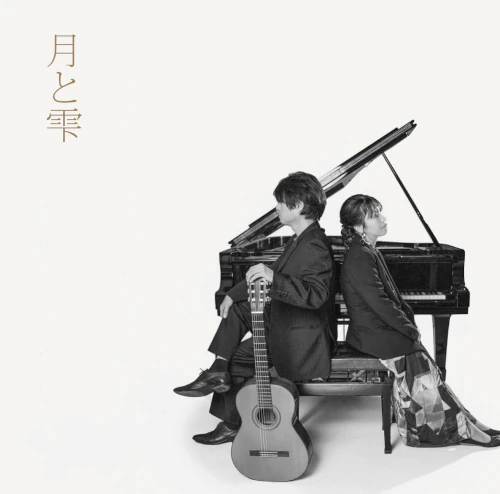
ピアノとギターによるDUOの最高作品が誕生
- WHAT'S NEW RECORDS / JPN / CD / GWNJ2042 / 1009303366 / 2026年10月21日
CD
予約 商品が発売になり次第発送物静かな中に二人の研ぎ澄まされた感性、美しく少し儚い。ピアノとギターによるDUOの最高作品が誕生した。 2023年1月の初ライブをきっかけに、成川と村井は、DUOとしての活動を開始した。2024年4月、新宿ピットイン昼の部への出演後の打ち上げで、成川が「2年後にアルバムを出そう」と話したことから、作品制作を意識するようになった。 その後、二人は、定期的にライブを重ね、2025年12月にアルバム制作を決意。 当初は、曲名に「月」が多かったことから「月」をテーマにしたアルバムを構想してきたが、リハーサルを重ねる中で、その案は自然と崩れてしまった。それでも「月」の印象が残る曲が多かったため、タイトルは、『月と雫』と決まった。本作は、 静かで美しく、少し儚い。その中に、才能溢れる二人の個性が発揮された珠玉のアルバムが誕生した。美しく澄んだ音世界が展開されている。 村井文子/Murai Ayako (piano) 成川修士/Narikawa Shuji (guitar)¥3,300 (税込)カートに商品が追加されました カートを見る -
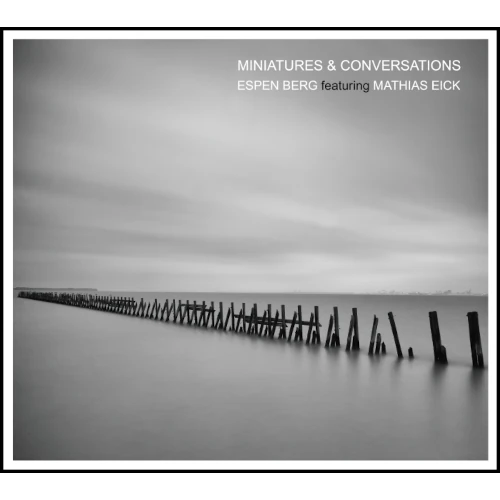
通算17作目となるリーダー作、日本盤限定ボーナストラック収録
- BLUE GLEAM / JPN / CD / BG016 / 1009303596 / 2026年10月28日
CD
予約 商品が発売になり次第発送北欧(Norway)という自然豊かな環境が生んだ現代ジャズの申し子、エスペン・バルグ(piano)による通算17作目となるリーダー作(BLUE GLEAM 第5弾)。本作はドイツの著名なレーベル”ECM”を代表するトランペッターの一人で、サウンドオーガナイザーとして卓越した才能を持つマティアス・アイクをフィーチャー。長年の共演で相互理解を深めた二人による自由な音の対話が、北欧の澄んだ空間に映える美しい意欲作。日本盤限定ボーナストラック収録。本作は小編成のために書かれた楽曲と、二人の音の対話を重視したインプロヴィゼーションで構成され、タイトルの「Miniatures」は前者を、「Conversations」は後者を指し、何れも抽象美を極めた高質な楽曲が並ぶ。その中には、多数の欧州メディアから「キース・ジャレットのレガシーを引き継ぐアーティスト」と称されるエスペンの美しいソロや、唯一のカバーである映画「レオン」の主題歌でスティングの大ヒットナンバーなども収録され、バリエーションを添える。このカバーは、日本国内のアルバムセールス歴代1位の金字塔を打ち立てた、宇多田ヒカルのデビュー作『First Love』に収録されたのサンプリングでも使われている。今年の12月に開催する「エスペン・バルグ X マティアス・アイク JAPAN TOUR 2026」では本作を中心に演奏。●12/7(月)京都市北文化会館 ●8(火)BLUE NOTE PLACE ●9(水)厚木市文化会館 ●11(金)長野市芸術館 ●12(土)玉村町文化センター ●13(日)栃木県総合文化センター¥2,640 (税込)カートに商品が追加されました カートを見る -
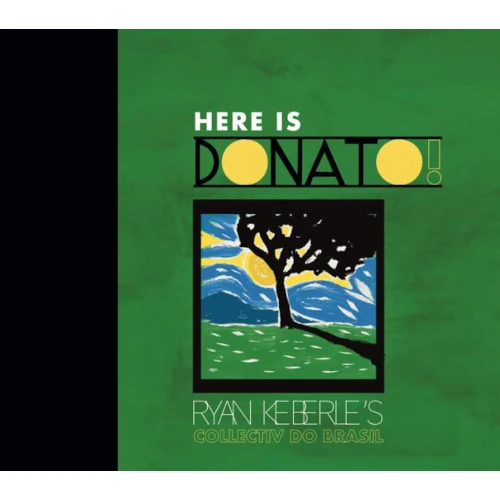
ブラジリアン・ジャズ/ボサノヴァの巨匠ジョアン・ドナートへのオマージュ作品
- ALTERNATE SIDE RECORDS / IMPORT / CD / ASR023CD / 1009281321 / 10月下旬入荷予定
CD
予約 商品が発売になり次第発送ライアン・ケバリー、Collectiv do Brasil第4章はジョアン・ドナートへのオマージュ2作目からの不動のトリオにパーカッションが加って生まれたさらに強力なグルーヴ!巨匠ジョアン・ドナートの音楽世界に深く身を置き、その精神を吸収。5人の親密な音楽的対話が、新たな響きを紡ぎ出す。現代NYのラージアンサンブル界でファーストコールのトロンボーン奏者として活躍し、今年8月にはマリア・シュナイダーのオーケストラの一員として再びの来日も果たしたライアン・ケバリー。自己のフラッグシップ・アンサンブル“カタルシス”と並び、近年、彼の活動のもう一つの大きな柱となっているのが、ブラジル/サンパウロの精鋭たちとのCollectiv do Brasilだ。このプロジェクトは2017年、サンパウロを訪れたライアンと、ピアニストのフェリペ・シルヴェイラを中心とするミュージシャンたちとの邂逅から始まった。第2作からベーシストがフェリペ・ブリゾラに変わって以来、不動のトリオとなり、今回は新たにパーカッショニストのゲゲ・メデイロスが加わった。互いにジャズとブラジル音楽への深い愛情を共有し、数々のライヴを重ねるなかで独自の音楽的対話を育んできた彼らは、ミルトン・ナシメント、トニーニョ・オルタらのミナス派の音楽に取り組んだ『Sonhos da Esquina』 (2018年録音)、エドゥ・ロボへのリスペクトを形にした『Considerando』 (2022年録音)、さらにイヴァン・リンスをトリビュートした『Choro das Aguas』(2023年録音)と、ブラジル音楽の巨匠たちの世界に深く入り込み、その魅力を自分たち自身の音楽として奏でてきた。そしてシリーズ第4弾となる本作『Here Is Donato!』で彼らが光を当てるのが、現代ブラジル音楽に計り知れない影響を与えたジョアン・ドナート(1934–2023)だ。サンバ、ジャズ、アフロ・キューバン・リズム、ボレロ、ファンク、ボサノヴァを自在に溶け合わせ、豊かなハーモニーと親しみやすいメロディ、そして何ものにも縛られない軽やかさを併せ持つドナートの音楽。明快でリラックスした深いグルーヴの奥には、驚くほど精緻な構造が息づき、洗練と自然な伸びやかさが絶妙なバランスで共存している。本作は、1960年代初頭の『Muita Vontade』から70年代の『Quem é Quem』『A Bad Donato』『Lugar Comum』といったドナートの初期作品を中心とした9曲に加え、2013年にライアン自らがカタルシスで発表した楽曲をCollectiv do Brasilのために再構築した曲を交えた計10曲構成。5人はドナートの楽曲を、完成された過去の名曲として再現するのではなく、その音楽の背景とフィーリング、そしてドナートならではの明快さのなかに深く身を置きながら、新たなハーモニーやリズム、即興の可能性を自然に引き出していく。ここにあるのは、ドナートの音楽を単に「現代化」することではなく、その精神を深く吸収し、自分たちの音楽的対話のなかで鳴らすというCollectiv do Brasilならではの創造だ。毎年のようにライアンがブラジルに飛び、バンドとして音楽を創り上げてきたメンバーの親密なインタープレイ、深いグルーヴと自由な即興。その音楽は、ドナートへの深い敬意とともに、時代や世代を超えて響き続ける彼の世界を、いまここにあるものとして鮮やかに浮かび上がらせている。Linernotes by Ryan Keberle〜ライアン・ケバリー・セルフ・ライナーノーツジョアン・ドナートの音楽は、私にとって、いつも最高の意味で「一見すると、とてもシンプル」に感じられるものでした。どこかホレス・シルヴァーの音楽にも通じるところがあります。ラインは明快で、グルーヴは深くスウィングしている。それでいて、いつもリラックスしていて、何ひとつ無理をしているようには感じられません。でも、深く入り込んでいくほど、そのすべてがいかに精緻に作られているかが聴こえてくるのです。彼の作曲には、無駄を削ぎ落とした感覚と抑制があり、物事をゆっくりと自然に展開させていこうとする意志があります。ドナートの音楽をこれほど個性的なものにしている要素のひとつは、彼がキューバのリズム言語を深く自分のものとし、それをブラジル的な感性を通して表現していることだと思います。しかし、それは直接的な引用でも、特定のスタイルを借りるようなものでもありません。すべてが完全に彼自身のなかに吸収されているのです。そして、おそらく驚くことではないでしょうが、こうした「自分の中に吸収することを通して、新たなものを創造する」という考え方こそ、私とCollectiv do Brasilの仲間たちが、これまでのすべてのプロジェクトで大切にしてきたことでもあります。私が何度も立ち返るのは、ドナートが保ち続けている「洗練と軽やかさ」の絶妙なバランスです。ハーモニーは実にニュアンスに富んでいますが、決して複雑すぎたり、つくり込みすぎたりしているようには感じられません。音楽が自らを強く主張するのではなく、自然にこちらを招き入れてくれるのです。その開かれた性質こそが、ドナートの音楽をさまざまな文脈に適応させ、異なる世代の人々の心に響かせ続けている理由なのだと思います。『Here Is Donato!』で私たちが目指したのは、彼の音楽を再解釈したり、現代的なものへとアップデートしたりすることではありません。むしろ、音楽の内側にじっくりと身を置き、その論理、そのフィーリング、そしてドナートならではの明快さと向き合うことなのです。素晴らしい音楽、友情、そしてインスピレーションを与えてくれる、愛すべきCollectiv do Brasilのメンバーたちに、心から感謝します。そして、いつものことながら、この音楽は、愛する妻エリカ・ケバリーの愛情と支えなしには生まれなかったでしょう。ライアン・ケバリー 2026年5月 ニューヨーク州フォレストバーグRyan Keberle - trombone, vocalsFelipe Silveira - piano, synthsFelipe Brisola - acoustic and electric bassPaulinho Vicente - drumsGuegué Medeiros - percussion¥2,640 (税込)カートに商品が追加されました カートを見る -

1974年にリリースしたデビュー作にしてディープなジャズ・アルバム
- INNER CITY / IMPORT / LP(レコード) / IC1012LP / 1009282737 / 11月下旬入荷予定
レコード
予約 商品が発売になり次第発送トランペット奏者チャールズ・サリヴァンが1974年にリリースしたデビュー作にしてディープなジャズ・アルバム「ジェネシス」がアナログ盤LPレコードで再発。サリヴァン自身が全曲の作曲・編曲・プロデュースを手掛けた本作は、自由と構成、知性と魂の絶妙なバランスを保っています。 「Evening Song」の心に響く美しさから、「Field Holler」のスピリチュアルな渇望感、そしてクライマックスを飾る表題曲に至るまで、アルバムは内省的な瞬間と熱気あふれるアンサンブルの応酬の間を行き来します。ソニー・フォーチュン、スタンリー・カウエル、ビリー・ハート、アレックス・ブレイク、オナジェ・アレン・ガムス、ディー・ディー・ブリッジウォーター、アンソニー・ジャクソン、ローレンス・キリアン、アルフォンス・ムゾーン、L・シャロン・フリーマンといったオールスター・メンバーが参加し、共演による鮮烈なエネルギーが演奏を輝かせています。 1974年6月にニューヨークのサウンド・アイディアズ・スタジオで録音された本作は、スピリチュアル・ジャズとアヴァンギャルド・ジャズが強烈な熱量で共存していた時代の創造的な鼓動を捉えています。- 限定版
¥5,830 (税込)カートに商品が追加されました カートを見る -
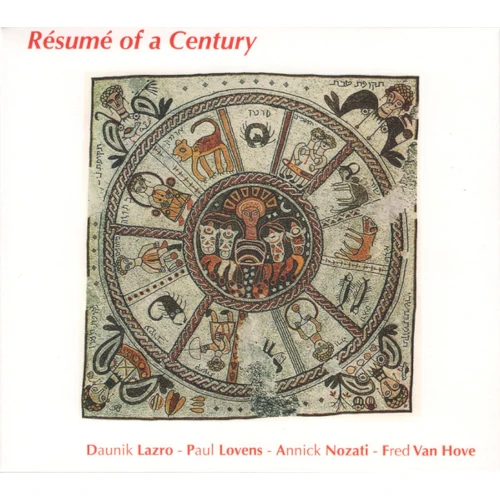
フランス出身のフリージャズ系アルト・サックス奏者ドーニク・ラズロの1999年の未発表音源集
- FOU RECORDS / IMPORT / CD / FRCD65 / 1009301479 / 10月下旬入荷予定
CD
予約 商品が発売になり次第発送フランス出身のフリージャズ系アルト・サックス奏者、ドーニク・ラズロの1999年の未発表音源集「リズーム・オブ・ア・センチュリー」。 女性ボーカリストを主軸に据えた2つの長尺即興演奏"フェイシング・ザ・ファクツ"と"コンシークエンシズ"。そこではフレッドがアコーディオンのフレーズを織り交ぜ、演奏の流れを円滑にし、対話の広がりを生み出しています。些細な断片、鮮烈なアイデア、期待と静聴の瞬間、急激な方向転換、叫び、そして瞑想的な響き――それらで構成された、絶えず変容し続けるこの音楽を定義することは不可能です。 ダウニクの鋭く唸るようなバリトン・サックス、ポールの口笛のように響くミュージカル・ソー、アニックの幻想的な歌声(静寂の淵を漂うかと思えば、反復する呼びかけや、高揚感に満ちた遊び心あふれる応酬の中で響き渡る)、フレッドが紡ぐ宝石のような音の粒、そしてそれらすべての交錯。さらには、抑制と制御を保ちつつ繰り出されるパーカッションの激しい奔流……。探求、発見、そして変容が予期せぬ広がりを見せ、後半に向けて融合し、激しさを増していきます。そこはまさに驚異的なパートであり、グループが一体となって機能し、個々の奏者が互いに、そして全体とつながり合いながら、喜びに満ちた、あるいは劇的なアナーキーさを体現しています。 Alto Saxophone, Baritone Saxophone – Daunik LazroDrums, Cymbal, Gong, Musical Saw – Paul LovensPiano, Accordion – Fred Van HoveVoice – Annick Nozati¥2,970 (税込)カートに商品が追加されました カートを見る -
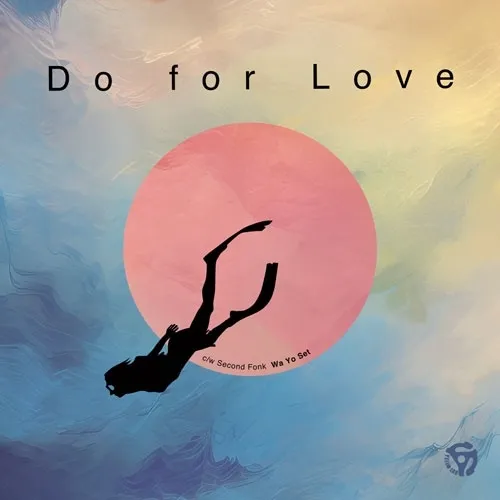
AORの超名曲をサンプリングしたHipHopクラシックをジャジーにカヴァー!
- YELLO LAB / JPN / 7"(レコード) / YELL001 / 1009303173 / 11月下旬入荷予定
レコード
予約 商品が発売になり次第発送AORの超名曲をサンプリングしたHipHopクラシックをジャジーにカヴァー! 大阪ストリート発のインスト・ヒップ・ジャズ・バンド Wa Yo Set が、自主レーベル YELLO LAB を設立、久々の7inchシングルをリリースする。 AORの超名曲として知られる Bobby Caldwell「風のシルエット」を大胆にサンプリングした特大HipHopクラシック、2Pac「Do for Love」の絶品インスト・カヴァーをA面に収録。DJのみならずMC/ラッパーにも推薦したい、原曲への敬意あふれる素晴らしい楽曲に主上がった。 さらに、ニューオリンズ・ファンクへのアプローチがうかがえるオリジナル楽曲「Second Fonk」をフリップサイドに。メンバーそれぞれの個性を見事に際立たせつつも、都会的な調和が心地よい、ミドルテンポのインスト楽曲だ。 両面において、バンドとしてもミュージシャンとしても大きく成長した Wa Yo Set の現在地を体感できるだろう。 今後も一曲一曲を自分たちの歩幅で着実かつ確実にリリース予定、今作を聴きながら Wa Yo Set の"今"と"これから" に期待して欲しい。 <メーカーインフォより>¥2,200 (税込)カートに商品が追加されました カートを見る -
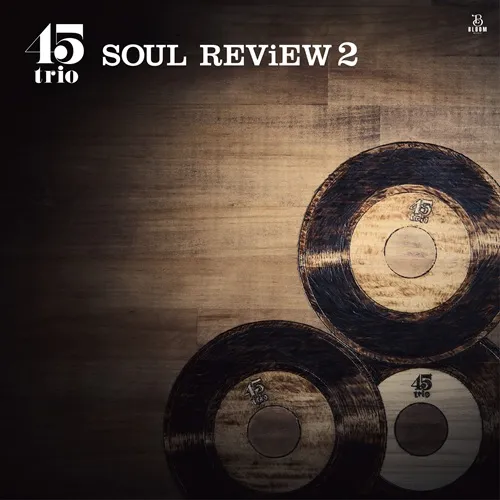
待望の2026年作アルバムが完成! 卓越した演奏とグルーヴを堪能できる珠玉の12曲を収録
- BLOOM MUSIC / JPN / LP(レコード) / BLML004 / 1009301934 / 2026年11月25日
レコード
予約 商品が発売になり次第発送ヴィンテージ・ソウルへの敬愛を込めて制作され、卓越した演奏とグルーヴを堪能できる45trioのニュー・アルバム「SOUL REViEW 2」珠玉の12曲収録で堂々完成! 前作「SOUL REViEW」から約2年。ヴィンテージ・ソウルへの敬愛を公言する45trioが、Soul、Jazz、Funk、Brazilianなど、彼らのルーツに連なる音楽を自由な感性で横断し、彼らならではの研ぎ澄まされたアンサンブルとグルーヴで紡がれた新作アルバム「SOUL REViEW 2」が完成しました。 今作は既に7インチ・シングルでスマッシュヒットを記録した"Nebulosa"、"I Love Music"も収録!そして初披露となる"I Am The Black Gold Of The Sun"では、ヴォコーダーを駆使してファンクネス溢れるサウンドに再構築。また、G.スコット・ヘロンの代表曲"The Bottle"では、より躍動感溢れるダンス・トラックに仕上げています。更に、近年世界中の音楽リスナーたちからの再評価が著しいカシオペアの、彼らの隠れた名曲"Sunnyside Feelin'"を、メロウネス溢れるアレンジを施し、原曲の魅力を新たな解釈で提示しています。 そんな音楽史に燦然と輝く名曲たちのカヴァーに加えて、ファンキーなビートと、タイトでソリッドなウッドベースに絶妙に絡み合うピアノが堪らない"#Stepney"や、7インチでもお馴染の"#Tenorio"、"#Hutson"、"#Jamal"といった彼らのオリジナル作品では、創作者としての45trioの魅力をも存分に味わえる、、そんな珠玉の12トラックを収録。全編を通して貫かれたブラック・ミュージック愛を、どうぞご堪能あれ!<メーカーインフォより>¥4,620 (税込)カートに商品が追加されました カートを見る -
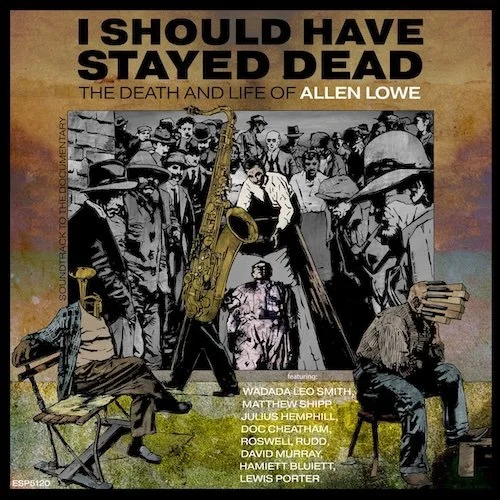
- ESP-DISK / IMPORT / CD / 5120 / 1009302970 / 11月下旬入荷予定
CD
予約 商品が発売になり次第発送サックス奏者兼作曲家であるアレン・ロウの音楽と、彼のがんとの闘いを追ったドキュメンタリー映画が制作されました。精力的なレコーディング活動を続けるロウは、ワダダ・レオ・スミスやマシュー・シップらを随時フィーチャーした数々のセッションを企画・実施しました。歴史的背景を補足するために過去の重要な録音も一部収録されていますが、この3枚組セットの大半は新録音源で構成されています。「本人の意図とは無関係に、アレン・ロウはジャズ界における典型的な『アウトサイダー・アーティスト』となってしまった。」――フランシス・デイヴィス「私はアレン・ロウの大ファンであり、ミュージシャンとしても研究者としても極めて重要な人物だと考えています。彼は深く誤解されていますが、その理由は彼が自分自身を嫌っていないからなのです。」――アンソニー・ブラクストン-----------------------------------------------------------------------------------------がんを克服し、25回の手術を受けたロウは、病気と回復の過程で、マーク・リボット、ワダダ・レオ・スミス、クレステン・オズグッド、ジェッペ・ジーバーグ、マット・シップ、ケン・ペプロウスキー、ルイス・ポーター、レイ・アンダーソン、フランク・レイシーなど多くのアーティストと共に8枚以上のESP DISK用CDを録音し続けています。この期間中にアメリカ音楽に関する3冊の著書も執筆しています。過去数年、ローはジュリアス・ヘンフィル、ロズウェル・ラッド、デヴィッド・マレー、ドック・チーサムと共に一連のプロジェクトを録音しました。ジョナサン・ショウアーが制作し、アレン・ロウが形作ったこのドキュメンタリーは、ロウの作曲と演奏に対する完全に独自のアプローチについて語り、マット・シップ、レイ・アンダーソン、ワダダ・レオ・スミス、マーク・リボー、ウルスラ・オッペンス、そしてデンマークの演奏者イェッペ・ジーバーグとクレステン・オズグッドとのパフォーマンスを収録しています。ローの複雑な手術と回復(2021年に鼻の半分を切除)について語り、彼の顔の手術を行い命を救った医師へのインタビューも含まれています。また、伝説的なアメリカの音楽史家グレイル・マーカスへのインタビューも収録されており、彼は次のように述べています「アレン・ロウはアメリカ文化に重要な貢献をしました。私たちの音楽史を全て見たいすべての人々は彼に感謝しています」------------------------------------------------------------------------------------------■CD 1 1. Staying Dead 3:02. Rec. 4/10/26 Allen Lowe, tenor sax Colson Jimenez, bass Ethan Kogan, drums On April 10, 2026, I went into a recording studio to record with two of my favorite musicians, the bassist Colson Jimenez and the drummer Ethan Kogan. We used most of these as visual and aural cues in the documentary. What can I say about these guys? I love them for their support and musical empathy (which is in short supply in these Virtuoso Days, when everyone who picks up an instrument can launch into Donna Lee at the literal speed of sound). What I want to hear is depth and soul, and, yes, swing (not in the common sense but in the sense of perpetual movement and feel – because if it feels like it swings then it does, even after the band has stopped playing. Really. That’s what I would call a paradox). Colson has a depth and breadth of tone which makes him a logical successor to Wilbur Ware; he is an endless source of feeling; and Ethan is almost indescribably complicated in his musical approach, and yet he swings in the most basic (yet complex) of terms. This, like everything else in this session, was completely improvised. 2. Barry Harris Had a Hit Record and Didn’t Like It 4:15 rec. September 2025 Allen Lowe, tenor sax Colson Jimenez, bass Ethan Kogan, drums Daniel Bereket, trumpet I knew Barry, I loved Barry, and he was probably the last of the truly great bebop piano players. He was the pianist on Lee Morgan’s Sidewinder, which was a hit but which Barry, psychologically at least, disavowed as a commercial aberration in his deeply principled musical life. Maybe he was right; I don’t know. What I do know is that my close friendship with Barry (in the 1970s and 1980s) was a casualty of my increasing musical independence, though I am glad I saw him only shortly before he died and rekindled our friendship (he never knew that I had started to play and compose, strange as it may sound). 3. Theme for Wadada 7:25 rec. 1/27/26 Allen Lowe, tenor sax Esteban Castro, piano Wadada Leo Smith, trumpet Ethan Kogan, drums Colson Jimenez, bass What can I say about Wadada? One of the most beautiful souls who ever walked the planet, whose pure sound on the trumpet is one of the natural glories of jazz expression. Here he is with my regular band (including the amazing pianist Esteban Castro) on a tune I wrote for him, inspired by a few of Wadada’s own compositions. And I repeat, I have never heard a trumpet sound so pure, so closely integrated with the personality of the player, so unmediated and pure. This is Wadada and we are all lucky to be in his presence. 4. East Coast Ghost (Boy Decoded) 4:24 rec. September 2025 Allen Lowe, tenor sax Colson Jimenez, bass Ethan Kogan, drums Daniel Bereket, trumpet This is how I felt, like a ghost, as I slipped in and out of musical – and, in essence, physical - consciousness in the first years of my sickness (I was in treatment for cancer between 2019 and 2021 and had twenty five surgeries up until about 2026, to remove tumors, slice up grafts, pull out surgical hardware, rebuild my face, adjust my eye, and just generally survive as I sometimes desperately treaded existential water). Add to it all Daniel Bereket, a brilliant trumpeter whose sound and approach are a sign of someone and something musically new and smart. 5. The Harder Blues 6:42 Rec. April 2025 Allen Lowe, tenor sax Matthew Shipp, piano Colson Jimenez, bass Ethan Kogan, drums Matthew Shipp, piano Introducing (for the purpose of these notes) the pianist Matthew Shipp who, of course, needs no introduction. Matthew is another one of those players who, like Wadada, has reached a musical place of such pure expression that there is no distance between what he plays and his personal approach to life. His sound is instantly recognizable. His whole attitude is just….well, it’s Matthew, independent, clear, amazingly expressive, complicated yet easy to understand as long as you realize that his work, like his personality, is completely transparent. What you hear is what he is. This is something of an intended sequel to Julius Hemphill’s various iterations of The Hard Blues. And if you are not familiar with Julius’ work (I had the privilege of working and recording with him) go straight to YouTube and take a tutorial. The blues as Julius heard it was not a musical a ectation but an idea of cultural roots as extracted from dense musical soil. 6. Dexter Wakes Up 3:07 rec. September 2025 Allen Lowe, tenor sax Colson Jimenez, bass Ethan Kogan, drums Daniel Bereket, trumpet From time to time to time to time to time to time to time to time I get myself in some trouble by complaining about musical icons like Dexter Gordon. I love his 1940s and 1950s work, but by the later years (the1960s and after) his playing, to my ears, su ers froman odd and stoned hesitancy. To me it’s like a car stalled in the middle of the road blocking tra ic, though I have only found one other musician who agrees with me on this (and I will protect his anonymity so as not to exposed him to the abuse I have, on occasion, received for holding this opinion). I acknowledge Dexter’s prior greatness, I just wish he didn’t sound, sometimes, like a 45 RPM record playing at 33. 7. Swing and Nothingness. 4:44 rec. 1/27/26 Allen Lowe, tenor sax Esteban Castro, piano Ethan Kogan, drums Colson Jimenez, bass From a session with Ethan, Esteban, and Colson, based on a piece by Duke Ellington and philosophically inspired by Sartre and the occasional silly arguments on Facebook about whether or not young musicians still know how to swing. This is a meaningless answer to a pointless question. 8. Where’s Lou Reed? 2:42 Rec. 9/15/06 Allen Lowe, guitar and vocals With bass and drums An oldie that has gotten mixed reaction. I went through a brief punk phase while I was living in Maine (I had literally nothing else to do while I was living in that hellhole so as an alternative to Maine life I started to broaden my musical horizons in sometimes strange ways). At the time I was also singing and playing guitar. I have very mixed feelings about Reed, who veered from brilliance to the incomprehensible to the shockingly banal in his musical lifetime, no doubt exaggerated by substance abuse, mental health issues (he received electro-shock treatment when it truly was a form of torture) and some sort of personality disorder (for a more detailed discussion read Lester Bangs’ various pieces on Reed). This was a short phase in my career, though I think my guitar playing is not bad. And I certainly sing no worse than someone like Morrissey (at least I don’t whine). 9. Grey Boys 4:14 Rec. 4/10/26 Allen Lowe, tenor sax Colson Jimenez, bass Ethan Kogan, drums From the session noted above, as recorded for the documentary. This is actually a slow blues, the title taken from Lester Young’s term for white folks (he also used the phrase Bob Crosbys for cops, related to the actual Bob Crosby’s neo-Dixieland big band. Bob Crosby was, incidentally, the brother of Bing); and though this has been used to put down his band, which was, indeed, very white, it is unfair because it happened to be one of the great bands of its time, whose repertoire included music taken from a large swath of Americana, (including, famously, a black vocal quartet). I love the blues, though I think it has been misused, abused, and even mislabeled over the years. It is a specific language in a continuum of black expression, speech, rhythm, etc. and not just a set of intervals or, worse, some symbol of black oppression as highlighted by lefty critics who have no real understanding of music. And it is really more e ect than cause, meaning it was the egg as planted by the chicken (yes, in that order, chicken first), and has been damaged by cliches and white guilt of the musical kind. Here we do it as slowly as we can without losing consciousness; I was thinking of a really slow blues I heard Mingus do at Slugs in 1969 or so, in which the tempo came practically to a halt. This made such an impression on me that I spent the next 60 years trying to replicate that feeling; this is somewhat akin to Henry Miller’s claim in the book Black Spring that we truly experience things only when we experience them for the first time, and that each succeeding experience of same is merely a memory of the initial encounter. 10. Do Not Go Gentle Into that Operating Room 3:15 Rec. 4/10/26 Allen Lowe, tenor sax Colson Jimenez, bass Ethan Kogan, drums Another film cue; I have been put under anesthesia so many times that there are days when I find myself reliving the repeated experience of laying on a gurney for surgical prep; at such times, feeling anxious in the present, I actually miss the relaxing intake of whatever it was that they were shooting into my vein; my fear of the needle was quickly overcome by a brief and fleeting sense of wellness, of a life with no problems or pain. If anyone asks, I am convinced that this is what death, from natural causes, will be like: a slowly realized and then sudden loss of consciousness, a long and endless void, no fear, no pain (which is a good thing). But I am just glad I got back, as even the realization that the transition may not be painful but instead inadvertent makes me fear it even more. 11. End Chimes (for Brian Wilson) 4:04 rec. September 2025 Allen Lowe, tenor sax Lewis Porter, piano Colson Jimenez, bass The death of the Beach Boy had me thinking about his unconventional artistry, his uncanny melodicism, and his other-worldly sensibility. And about his song Wind Chimes, one of my favorites. 12. Endgame 4:35 rec. 1/27/26 Allen Lowe, tenor sax Esteban Castro, piano Ethan Kogan, drums Colson Jimenez, bass Me and them, again. Endgame is the name of a Beckett play and a colloquialism for any number of strategies for bringing things to a real if sometimes sudden and even unpleasant halt. 13. Ives in Harlem 4:03 Rec. April 2025 Allen Lowe, tenor sax Matthew Shipp, piano Charles Ives goes to Harlem and, though he has a deep sense of the American grain (per William Carlos Williams) he finds himself in a foreign land. How does he respond? By retreating into the sound of the American Hymn, recomposed to suggest his own attempts to break away from the expected and predictable optimism of religion; as, all the while, that religion, unlike the Sanctified Church, keeps its true distance, like a parent whose stern discipline seems more like a perpetual warning than it does unconditional love. So Ives flees the scene, but does take with him the gnawing sense that Harlem, like black music, is still, for white folks, a desirable if forbidden fruit. 14. Hallucinations (Up in Bud’s Room) 5:51 rec. 1/27/26 Allen Lowe, tenor sax Esteban Castro, piano Wadada Leo Smith, trumpet Ethan Kogan, drums Colson Jimenez, bass From the Wadada session; Bud Powell is a source of perpetual inspiration for me. Every time (or nearly every time) I compose I find myself trying to fill his impossibly large and dominating musical shoes. It’s a futile gesture but not something I can stop myself from doing. Everything about Bud’s playing and composing is a source of poetic allusion – his time, his touch, his rhythmic shifts, his blunt music philosophy. And though I am nowhere near worthy, I continue to seek out the Holy Grail of Bud’s sound and feeling. Wadada clearly got me closer to that goal. 15. Little Jew from Connecticut 2:54 Rec. September 2025 Allen Lowe, tenor sax Colson Jimenez, bass Ethan Kogan, drums Daniel Bereket, trumpet Mary Lou Williams wrote and recorded Little Joe From Chicago in 1939. I spent twenty years in Maine as a Little Jew from New York, an outcast, a stranger in an even stranger land. This is part of my bid for reparations. 16. Elvis Don’t You Weep 2:25 Rec. 4/10/26 Allen Lowe, tenor sax Colson Jimenez, bass Ethan Kogan, drums Taking our cue from Elvis, with that gospel beat that was played to accompany him every time he jumped on stage in Vegas. I am tempted to say that I am the only person who really understands Elvis, though I cannot really explain what I mean. It’s just a feeling that I, and 20 million other people, have. 17. Rainy Days of Life (for Jaki Byard) 4:11 Rec. April 2025 Allen Lowe, tenor sax Matthew Shipp, piano Jaki, much mourned, wrote a piece called The Falling Rains of Life. This is my referral to his life and work (please note: not a tribute). With Matthew Shipp, a duet. Matthew just surprises me every time we record together. Not that I don’t expect him to come up with something fascinating, but that he is continually fun to listen to – yes, FUN, a word not used very often these days in reference to jazz. But fun is not just the act of enjoying what you are doing but the ability to pass on that enjoyment to anyone who listens. Because pleasure centers of the brain respond not just to simple repeated patterns of entertainment (like TV) but also to things that challenge them with clarity and expression and meaning. And that is why, although Shipp’s playing is anything but simple, its virtues are obvious and continuous. 18. Lennie’s Bennies 3:05 Rec. April 2025 Allen Lowe, tenor sax Matthew Shipp, piano Matthew and I in duo mode once again. This is not the first time I have heard and detected the Tristano influence on Shipp’s playing. One of the things I love about his accompaniment is that it leaves me, as an improviser, with so many possibilities. And Tristano et al were among the first in jazz, post-Charlie Parker, to suggest that there were ways around the chord changes that allowed the soloist to escape the tether of tonality while still remaining true (or maybe truer) to the spirit of the music. 19. Alienation E ect (or: The E ects of Alienation) 2:10 Rec. 4/10/26 Allen Lowe, tenor sax Colson Jimenez, bass Ethan Kogan, drums Film cue; back to Brecht, who through both his theoretical brilliance and practical intellect has had nothing but an artistically and radically progressive influence on my own personal creative thinking. But contrary to his reputation, perpetuated by the watchdogs of middle class art, his was anything but a mechanically political intellect trying to fit odd political, proto-Marxist theory into narrow didactic boxes of ideological orthodoxy. To the contrary, his was a sensibility expressive of a deep perception of life as something in which the day-to-day brutality of unforgiving and violent political and social systems was an assault on not just economic survival but on the imagination itself (sound familiar?). To me imaginative paralysis is one clear side e ect of repressive regimes like our current one; which is not to say it cannot be overcome – as Brecht was able to - but that the horror of certain kinds of political actions seems to dwarf the imagination and relegate, in life, it to aesthetic irrelevance. The Nazis had Decadent Art (anything which wasn’t socially utilitarian, or of use to their own authoritarian ways); Stalin had Social Realism (another way of opposing “Decadent Art” and of killing any true creative impulse); the Trump administration has the art of deception; and the arts groups of America (like my local Arts Council), supposedly on the side of The Good and Virtuous, have turned creative work into shallow Social Work, another way of saying social realism, of essentially opposing anything that might be construed as “Decadent Art,” just because it is done by white folks with the wrong and anti-woke attitude. “Socially Redeeming” is the equivalent of a safe word to these arts groups, getting them out of the trouble of having to worry about actual artistic ambivalence, of the kind that challenges their own assumptions about everything and lacks “proper” liberal or progressive attitudes. It is a way of avoiding dangerous ideas of pure aestheticism. True creativity is too unpredictable for these folks, dangerous for the challenge it o ers to their idea of the expressive status quo. The Brechtian “alienation e ect” was a way of trying to direct the audience to abandon bourgeoise notions of both schematic cause-and-e ect and middle class uplift, in favor of dragging them down into the depths of human struggle. This was reality, not the socially-useful, well-made play, just as, theoretically, my compositions and playing are far from settled and “well made;” instead they are in the service of a deeper kind of (jazz and musical) reality than the ordinary and overworked jazz idea of “telling a story.” They are messy and disorganized, a reflection of my own struggle to resist the temptation of the academy and critics’ knee-jerk approval; I am telling a story, but it’s not one meant to mimic “tradition” in a slavish or worshipful way. Like the Alienation E ect it is meant to force a reevaluation of certain jazz ideas, to clear the aural palette and rid it of the same-oldsame-old expectations. ■CD 2 1. Code Boy. 1:55 Rec. 4/10/26 Allen Lowe, tenor sax Colson Jimenez, bass Ethan Kogan, drums Sorry, I have tried, but I cannot abide the academic idea of “code switching.” Yes, I know what it means, and it has been used in jazz to refer to perceptual changes while listening to music, of hearing songs and lyrics in di erent ways at di erent times. Still, in spite ofmy cynicism, I consider myself to be a Code Boy; the di erence is that nothing changes as I experience these perceptually altered states. One code fits all; anything else is just intellectual obfuscation. 2. I Should Have Stayed Dead 2:42 Rec. September 2025 Allen Lowe, tenor sax Colson Jimenez, bass Ethan Kogan, drums Daniel Bereket, trumpet When I first tried to make a comeback in the jazz field after a few years of being deathly ill I had some middling success, and I was very appreciative of what was, in certain cases, only temporary access. But I am what I am, and I have come to realize that there are certain unavoidable factors that have kept me, and will continue to keep me, in the professional darkness. So be it; but there were times when I did think that maybe I should have remained down, wallowing in the depths of my own physical and mental self pity. While this is something that still occasional appeals to my more histrionic side, I refuse to bow to industry prejudices (age is a major factor). This is the theme song to the documentary, a ballad of both hope and despair. 3. The Second Assassin 6:15 rec. 12/5/91 Knitting Factory Allen Lowe, tenor sax Julius Hemphill, alto sax Paul Austerlitz, clarinet Robert Rumbolz, trumpet John Rapson, trumpet Je Fuller, bass Ray Kaczynski, drums An oldie but goody, discussed in the documentary and presented here in the full version. It’s not necessary to repeat that Julius Hemphill was an ingenious, historically central, musical power to be reckoned with, but I will say that I am proud of this old composition and the fact that he performed it. As I mention in the film, the very fact that Julius, at our first rehearsal of my music, asked “who wrote these?” and then said how much he liked them, was a major confidence builder for me. I had made the transition from bebop wannabe to New Music hopeful only fairly recently, and I was still toying with the juxtaposition of tonality with freedom, something which I think I have achieved with some originality over the years (and I was happy to hear the historian Larry Gushee exclaim one day “you have reinvented free jazz!”). And this was a major band, all great players, all distinctive players, all totally and conceptually original. Though as far as I can recall we may have worked together, fully intact, only one other time. 4. Last Rites (for Francis Davis) 2:15 Rec. September 2025 Allen Lowe, tenor sax Colson Jimenez, bass Ethan Kogan, drums Daniel Bereket, trumpet When I found out that my old friend Francis Davis, who died in 2025, requested, on his death bed, that he be given Last Rites, I was not surprised. As a fellow atheist I was able to identify, from my own near-death experience, with the whole end-stage fear of what, if anything, would follow life. Though I am not a believer I find, in particular, 1920s black gospel music – angry, joyously painful, desperate, hysterical, aesthetic anarchy – the most comforting music there is for its pure emotional energy and abandonment of any fear of the unknown (as a matter of fact that old music seems to welcome the unknown, to embrace it and await it eagerly). But the thing with Francis was not, I think, exactly that. Nor was it a foxhole conversion; it was a way of facing the un-faceable, thinking about the unthinkable (at my worst during the early treatments of my cancer I used a meditation tape, and one thing it demanded I do was “bring the fear forward and center.” I think this was what Francis was doing). And just as I considered, when I was at my sickest, finding a Synagogue to just sit in, to try to achieve a sense of communal comfort, he was returning to the roots of a faith he may have thought he had already abandoned. I never got there, but I am glad, if it o ered balm, that he did. This piece both celebrates and mourns Francis. 5. Modal Stomp 4:22 rec. April 2025 Allen Lowe, tenor sax Colson Jimenez, bass Ethan Kogan, drums Matthew Shipp, piano Just as everybody complains about the weather but does nothing about it, everybody in jazz loves to give lip service to “the tradition” but (almost) nobody actually does anything about it. This is partly because jazz musicians rarely know very much about anything “old” other than (maybe) the blues, and usually consider that to be su icient. I don’t think it is, at least not for me. I love the old music, but I won’t perform my own versions of those old forms unless I am allowed to pervert the course of musical justice (I have watched too many British crime shows). This piece is my idea of the old musical stomp, taken literally in the old days from demonstrative expressions of rhythm. Everything in old black music is a drum, including the floor that dancers beat with their feet as they danced (and stomped) on it. I wanted to transfer this whole feeling into a modern context in terms of improvising (though the blues, which this theme is based on, is basically a modal form). We got there; perfect rhythm section, and wonderful Shipp, who has such a quick and intuitive grasp of such a wide range of post-modern approaches to playing music. And I need to mention that I was thinking, the whole time I was composing and playing this, of the great pianist Fank Melrose, dead for many years and a Jelly Roll Morton disciple with more than just a tinge of the barrelhouse. 6. Hi Joe 2:43 rec. July 2025 Allen Lowe, tenor sax Daniel Bereket, trumpet Ray Suhy, guitar Ethan Kogan, drums Colson Jimenez, bass Hey Ray! Ray Suhy is the best guitarist in the world and a great guy who can always be counted on to transform anything he plays into a work of art (check out his banjitar playing on my Louis Armstrong project on a piece called Bathing with Doc Walsh). I have been trying for years, yes, for years, to write a piece based on Hey Joe and performed most memorably by Jimi Hendrix in the 1960s. I finally got it right, though I never had any doubt that Ray could make something amazing out of it (and it is in the documentary twice; over the opening titles and in a full version near the end). 7. Holy Rollin’ 3:02 rec. 1/27/26 Allen Lowe, tenor sax Esteban Castro, piano Ethan Kogan, drums Colson Jimenez, bass It’s a long story, but there’s a scene in the film where I have an encounter with an academic who is doing a talk on gospel music, in which I politely tell her something about the history of the Sanctified Church which she then informs me is not true (which is that historically there have always been white Holy Rollers as well as black; she replied “no there haven’t been any white Holy Rollers”). And then, in the documentary we show films of – you guessed it - white Holy Rollers doing what Holy Rollers do, which is gyrate and dance and shake it all about. I love all forms of old time gospel music, white and black, with its crazed intensity, and this is my idea of the way such a gospel song might turn out and be used for contemporary improvisation. Am I the white Holy Roller of my fevered dreams? The goal is abandon and intensity; a lot of jazz musicians are strangely overqualified in this respect and apparently have trouble reaching so far into those submerged and forbidden parts of their psyches (and yes, this is true of even many “free” players who have little if any sense of the deeper cadences of black music). I seem to be able to do this, somewhat, and it’s probably because I have absorbed so much of the language of those old African American religious chants, the quartets, the singing evangelists, the solo voices, and The Old Regular Baptists (a white sect). Which proves that, as I once read in the New York Times, imagination can and will e ectively substitute for experience. 8. The Hardest Blues 3:15 rec. 1/27/26 Allen Lowe, tenor sax Esteban Castro, piano Ethan Kogan, drums Colson Jimenez, bass Going through the changes started by Julius Hemphill, increasing our blues output in musical increments. More of the blues at the edge of blues egress. 9. I Licked Bird’s Blood 3:46 rec. September 2025 Allen Lowe, tenor sax Colson Jimenez, bass Ethan Kogan, drums Daniel Bereket, trumpet As I mention in the film, the pianist Joe Albany told me a story many years ago about shooting up with Charlie Parker. Bird pulled the needle out of his arm and Joe grabbed it, licking the blood o of it before putting it into his own arm. “They should call my autobiography ‘I Licked Bird’s Blood’” he told me as we drove down the FDR Drive. Here I employ the changes to a Charlie Parker composition. And it’s always good to have a catchy title. 10. We’re Lost 4:48 rec. 1/27/26 Allen Lowe, tenor sax Esteban Castro, piano Wadada Leo Smith, trumpet Ethan Kogan, drums Colson Jimenez, bass End of session improv with Wadada and the boys. 11. The Gates of Hell Are Always Open 5:11 rec. April 2025 Allen Lowe, tenor sax Daniel Bereket, trumpet Colson Jimenez, bass Ethan Kogan, drums Matthew Shipp, piano I sincerely believe they always are, as I eagerly await the eventual and unhesitating admission of every Republican currently in Washington. This is another from my Gospel Hit Parade, a kind of musical mixed-martial arts display of tonal melody, piano intensity, general abstraction, plus various approaches to free improvisation, and a not-so-subtle display of heavenly demand as filtered through images of the devil’s cauldron. 12. I Thought I Heard Buddy Bolden Scream 3:54 Rec. September 2025 Allen Lowe, tenor sax Daniel Bereket, trumpet Colson Jimenez, bass Ethan Kogan, drums OK I won’t mention any names, but there are those who purport to tell us what Buddy Bolden sounded like based on musical mythology, fifth-hand accounts, and just plain made-up ideas that are smoothed over with assurances of “that’s the way it was.” Nonsense. And there happens to be an old song, “I Thought I Heard Buddy Bolden Say,” my favorite version of which was sung and recorded by Jelly Roll Morton near the end of his life. I have some of my own ideas of what Bolden may have sounded like, and (I believe) they are not anywhere near the popular approach to inventing history. The great jazz historian Larry Gushee o ered me some clues based on his own research, and, as I interpret them, they picture Bolden as playing very simple, repeated phrases in which almost all of the soul resides in the core sound of the cornet. The melody is in a style of vocal-like, simple phrasing, with a narrow range of notes but a wide range of feeling. Plus I picture Buddy Bolden, back from the dead, hearing all the theories about what he was actually playing, and screaming to the Gods to punish all these musical miscreants and send them into smooth-jazz exile. These are just my thoughts; you are entitled to yours. 13. Blue and Bluer 9:13 rec. 4/19/92 Knitting Factory Allen Lowe, alto sax Doc Cheatham, trumpet Loren Schoenberg, tenor sax David Murray, tenor sax Paul Austerlitz, clarinet John Rapson, trombone Robert Rumbolz, trumpet Je Fuller, bass Ray Kaczynski, drums Back in 1992 I did a Louis Armstrong project (not to be confused with the most recent one) of historic proportions. We recorded it at the Knitting Factory with Doc Cheatham, David Murray, and Loren Schoenberg et al all on stage together. For this particular tune I took a Fats Waller composition and composed a variation which stayed close to the key center and then, after the theme was stated, opened up into the song’s regular chord changes for solos. What a chance this was for me, to meet and play with Doc (who later, in a di erent project, recorded a modal tune in my living room). He was a classic gentleman of kind and solicitous manner, almost out of a Tennessee Williams play, though absent the weird motivations and guilty mystery. And to hear him talk about playing with Bessie Smith was like going back to experience a time and place where all of this music was new and novel. Was it a point of innocence or really (and more realistically) a world of unimagined racial struggle mitigated by daily bouts of artistic transcendence? 14. Counterintuitive 4:32 rec. April 2025 Allen Lowe, tenor sax Daniel Bereket, trumpet Colson Jimenez, bass Ethan Kogan, drums Matthew Shipp, piano In 1949 Lenny Tristano and company recorded a thing called Intuition, an exercise in, yes, free improvisation and open form. Though they never returned to this idea (well, Tristano did, briefly), it lived on in limited circulation. Almost 80 years later I wrote Counterintuitive, more of an exercise in what they used to call Free Bop than anything else; the trick is (was) to blow like the musical parameters are straight out of bebop, contravened by imaginary chord changes moving in shifting and imprecise directions. I mean, what is free improvisation but just another way of creating a narrative, with freer connections and looser points of tonal intersection? The great thing about contemporary musicians like these is that it is not as though I have to explain the process. All I have to do is give them a theme and let them run with it. 15. Danse Savage 6:13 rec. April 2025 Allen Lowe, tenor sax Daniel Bereket, trumpet Colson Jimenez, bass Ethan Kogan, drums Matthew Shipp, piano I got the idea for this one from the faux exotica of Parisian-American-African American Josephine Baker, who performed, in the 1920s on the Parisian stage, to a song of the same title, and whose rhythms and movements straddle, in the racialist imagination, both the jungle and modernist fantasy (not unlike the thensimultaneous goings on at New York City’s Cotton Club, where the musical habitat wilderness was already in action, on a stage where rich white folks could slum while watching some of the greatest jazz musicians in the world). Once again we perceive imagination as racist fantasy, though the Europeans were said to be nondiscriminatory in their attitudes, attracting a number of black American musical expatriates. While there is no doubt that conditions in Europe were much better for black folks than conditions in the USA, we might have some questions about how seriously white Europeans took this kind of jungle fantasia, and whether or not, challenged by the seriousness of black performers, they retreated into condescending stereotypes as a means of re-enforcing an idea of white selfsuperiority. Did they think Africans (and African Americans) typically comported themselves as naked across a musical stage, with the same cutesy persona projected by the great Baker who, nonetheless, liberated herself in what was probably the best possible way, by just doing what she wanted to do and getting rich while doing it? 16. Other Bodies, Other Souls (Part 1) 6:27 rec. May 1993 Allen Lowe, tenor sax Roswell Rudd, trombone Je Fuller, bass Ray Kaczynski, drums Ah, Roswell Rudd, the great Roswell Rudd. Nicest man you ever met, one of the greatest musicians you probably never met. Brilliant student of world and American music, with the warmest bombastic approach to music, from the blues to free playing to harmonic-based music, that you can imagine. And a WASP to boot! He was to the manor born, whether that manor was in Mississippi, New Orleans, New York, or Paris, where the Europeans of the post-1960s era just ate up his type and style of music (though he never, for complicated reasons, became the star he should have become). Francis Davis introduced us and we made several recordings together, including this one in Verna Gillis’ garage on my old Tascam 8-track openreel machine. It came out great, and Ros even told me that I captured his sound better than it had ever been captured before (I used no compression, which engineers routinely used to control his sonic outbursts, and I just told him to watch his distance from the microphone). I loved the guy and still do (he died in 2017). This was something I wrote (the first of several) based on Body and Soul. Ros had that incredible dynamic range, from a whisper to a shout in under five measures. 17. Beneath The Blues 5:00 rec. September 2025 Allen Lowe, tenor sax Colson Jimenez, bass Ethan Kogan, drums Daniel Bereket, trumpet Not the blues again! Yes the blues again (I wrote and recorded a blues years ago called I Hate Blues, which is another story). The melody of this is not the blues, though we solo on blues changes. I like this composition, the purpose of which was to imply, bluesly-speaking, more than state the blues directly or outline it harmonically. This kind of composing is a real challenge, to get the feeling without the form. I think we succeeded. Even if we did not, we still get a participation trophy. ■CD 3 1. Fanfare For Albert 3:09 rec. April 2025 Allen Lowe, tenor sax Colson Jimenez, bass Ethan Kogan, drums Daniel Bereket, trumpet Albert Ayler is, really, the exception that proves the rule. What’s the rule? That free improvisation is worth little without intense, internalized, compositional discipline. Not that Ayler didn’t have such discipline, in a manner of speaking, but he seemed to revel in not just defying but in destroying expectations, demolishing them like the East Wing of the White House. And that sound – we are all unworthy. Still, I feel like less of a failure now that I have paid my respects to his work and memory. In my case, as a saxophonist, the spirit is willing but the chops are old, tired, and weak. 2. West Virginia Blues 1:58 rec. 10/10/04 Allen Lowe, guitar With bass and drums More from my brief stint as a guitarist in thrall to old music, particular white country and blue-tinged black song. This came out pretty well, I think, especially because I used analog e ects on the guitar and recorded live, giving it the old time (meaning 1960s) feeling that I still covet for its sense of air and space and moments of true feeling (there are versions of this extant by The Carter Family and BF Shelton). 3. Woyzek’s Death 5:35 Rec. May 1994 Allen Lowe, tenor sax Randy Sandke, trumpet Roswell Rudd, trombone Andy Shapiro, Keyboards Je Fuller, bass Ray Kaczynski, drums Ben Goldberg, clarinet With this piece I finally recorded for a major label; this was my first time (not ESP, which has treated me well) but it was barely released and they ripped me o on my Euro publishing. Oh well; I am still proud of it as a coherent suite of pieces based on the play Woyzek (Buchner), a play which has had a powerful influence on my own artistic work and attitude(s). With some of my favorite musicians; this has me on tenor and wonderful solos by Randy Sandke, one of the truly great trumpeters of the last 50 years, and Roswell Rudd once again. I remember this composition fondly; it just fell into place as few compositions do (though the sad memory is that Julius Hemphill was supposed to be on this session but had gotten sick with the illness that eventually ended his life, and so had to cancel). 4. Maya Deren Dances the Voodoo Around 4:04 rec. April 2025, Allen Lowe, tenor sax Daniel Bereket, trumpet Colson Jimenez, bass Ethan Kogan, drums Maya Deren had an anthropological soul, and studied Voodoo at the source (Haiti). She took it around as something with which to engage the natives; I play little music in this style and with this rhythm, as I sometimes feel as though my hands are tied by the tightness of certain clave-derived subdivisions. But this I wrote specifically so I could dance it around it on the horn, as could Daniel Bereket and the kind of rhythm section that sends me into paroxysms of both joy and mild musical insecurity. How to conceptualize something so it sounds unlike any other band? Write the right music and hire the right musicians to play it. 5. Other Bodies Others Souls Part 2 6:05 rec. 1/27/26 Allen Lowe, tenor sax Esteban Castro, piano Ethan Kogan, drums Colson Jimenez, bass Another in my quest to bring Body and Soul under my personal control, to tame it and make it mine. As a horn player I love the changes and as a composer I love the changes; the song practically writes itself. All I had to do was catch it in the act, which is the way some compositions just happen; you get the feeling that they were there are all the time, hiding, as they say, in plain sight. 6. Walking on Water Wasn’t Built in a Day 3:02 rec. 4/10/26 Allen Lowe, tenor sax Colson Jimenez, bass Ethan Kogan, drums From Jack Kerouac’s “famous” line as improvised for the old underground Beat film Pull My Daisy. Another documentary cue. I love working with this trio and feel liberated by their faith in me as an improviser (my rule of thumb as a saxophonist is technical insecurity). Kerouac in all of his non-sequiturial brilliance captured the Beat zeitgeist with this saying. I, in the semi-coherent spirit of musical anarchy, almost missed it; it felt like I was on an express train which went past my stop, after which I had to get o at the next, distant, station and walk back (as a form of self flagellation). Yes, as with my writing I make it up as I go along (no surprise for a jazz musician), but what I seek is not so much coherence as a coarse commentary on my own musical limitations (and maybe everything I do musically is in the same spirit of potential failure). 7. Echoes of Europe 6:20 rec. 1/27/26 Allen Lowe, tenor sax Esteban Castro, piano Ethan Kogan, drums Colson Jimenez, bass I have been critical in particular of one very misguided and recent attempt to reassemble and reconstruct the work of James Reese Europe’s (black) orchestra, which recorded between 1913 and 1919. That attempt turned it into parlor music and, really, made me recoil in aesthetic disgust, as it became the essence of polite, middle class, drawing room culture. The real orchestra was nothing of the sort. To the contrary it was a wild band of anarchic performers, a crazy quilt of wild drumming, pitch-challenged near-unisons, kitchen sink disorganization of strings and other musical hangers on (mandolins, flutes, clarinets? Maybe it was whomever just happened to show up that day?) Europe ran a black musical organization called The Clef Club, so far ahead of its time as to be almost unimaginable, and I love the idea of certain kinds of musical randomness, though not as we tend to do it today. It feels right when it’s like a sonic lottery, and the element of chance alternates with aesthetic stops at strategic musical locations. Most important is that unlike in its regenerated state of late, it swung like mad, like a wobbly bicycle headed down a steep hill toward railroad tracks, with no brakes and a determined but confused rider of possibly suicidal intent, going against the wind. In other words it was a great and authentic black band playing early black music, the kind of which was completely foreign, in its day, to white musicians. Though apparently it is completely foreign, in our day, to black musicians, who tried to re-create it just a few years back; instead, that revivalist performance came o like a hot air balloon collapsing on takeo . So…I guess race isn’t everything (did you hear that Melvin?), and race is not a form of cultural inevitability, a cultural jail sentence. Knowledge and deep musical dedication is a much better place to start, and though I have yet, in several attempts, to capture the essence of Europe’s band in the way I would like to, here I at least have formulated a modern equivalent that has achieved lifto . 8. Mysterious Moon 3:26 rec. September 2025 Allen Lowe, tenor sax Colson Jimenez, bass Ethan Kogan, drums Daniel Bereket, trumpet In praise of Alec Johnson, and named (sort of) after one of his songs. He was an old and now long-gone black songster (documented a bit, but mostly now historically anonymous in the way of most of that generation of black performers). Johnson recorded, in the 1920s, a series of songs right out of and on the cusp of Black minstrelsy (yes there was such a thing, and it was a serious thing. Black entertainers banded together in the late 1800s and early 1900s to form barnstorming minstrel troupes, who took the country by one or another kind of storm. In their voracious touring they not only carved out a place for all black performers of the future, they completely revolutionized American entertainment and achieved a creative and expressive hegemony that, in essence, remains in place to this day). Johnson had a di erent kind of voice than we now expect to hear from black singers, a minstrel growl I would call it, and you can find his recordings on YouTube. And, I would venture to say, it is only a hop, skip, and jump from his kind of guttural singing to that of Louis Armstrong, who took this serious yet somewhat comically detached manner of delivery into a new pop dimension of half-comic profundity, a Dada-esque gesture of hilariously edgy seriousness. And yes, that growl, that raspy half-spoken-half-sung thing that Armstrong did was a direct (in my opinion) descendant of this minstrel mannerism, a kind of black sprechstimme (just don’t tell Wynton Marsalis, who informed me that minstrelsy was “all degradation,” or Melvin Gibbs, who insisted dismissively that I was completely deluded about minstrelsy, this). 9. The Hawk Walks 2:24 Rec. September 2025 Allen Lowe, tenor sax Daniel Bereket, trumpet Colson Jimenez, bass Ethan Kogan, drums I’ve always loved Coleman Hawkins, the great pioneer of the tenor saxophone who spent his entire musical career becoming something other than what he already was (strangely enough I identify). Great as he always was, there are several recordings of his which seem to elevate his playing into yet another dimension, with a transcendent, out-of-body authority that tells us (maybe) that the demands of making a living don’t always allow the working musician to show us everything that he or she is. This composition was inspired by one of his later recordings with Max Roach, a Civil-Rights themed work (We Insist! Max Roach’s Freedom Now Suite) which brought out something extra in Hawkins, an aggressive, even more emotionally-charged way of playing that seem to emanate from some previously untapped place in his psyche. I tried, unsuccessfully, to replicate that spirit of defiance here, but I still feel good about this recording. 10. Lafcadio By The Sea rec. 1/27/26 Allen Lowe, tenor sax Esteban Castro, piano Wadada Leo Smith, trumpet Ethan Kogan, drums Colson Jimenez, bass Lafcadio Hearn may be an obscure figure these days, but, Greek born, he lived in Cincinnati in the early 20th century and, a brilliant thinker and writer, gave us some of the most vivid documentation we have of early black sound, of the singing and movements of black roustabouts who worked the docks in those days. This was more than just a snapshot of black culture, it was a real and complex picture of the way in which black melody, sound, phrasing, and movement was organized and manifested in an early, public sense (Hearn also wrote on a number of other subjects, brilliantly). Find his work if you can; it is indispensable. In this I try to imagine the airborne sound of these unwitting cultural pioneers. 11. Oi Death (Part 5) 3:37 Rec. February 2026 Tony Ferrizzi, guitar Allen Lowe, tenor sax How many times am I going to re-do this thing, a variation on Oh Death (sung by old country singers like Doc Boggs and even recorded by a black chorale)? I first recorded it with lyrics, later with a quartet, and now in a duo with the excellent guitarist Tony Ferrizzi. I probably will do it again some time, as it signifies my determination to devise a way in which old (black and white) vernacular and folk forms can be converted into New Music, into Improvisation, into methods of taking that old music, discarding conventional revivalist ideas, and then mining it for its original feeling and meaning. And it really is modal. To paraphrase a wise man, it’s one chord and the truth. 12. We’re Found 3:11 Rec. April 2025 Allen Lowe, tenor sax Matthew Shipp, piano With Matthew Shipp, sudden inspiration in a Brooklyn studio. I try and follow his lead. 13. Relaxin’ in the O.R. 2:26 Rec. September 2025 Allen Lowe, tenor sax Daniel Bereket, trumpet Colson Jimenez, bass Ethan Kogan, drums Oi, I had so many operations that I began to think of anesthesia as a sleep aid. “Just relax and take a nap,” one of my early surgeons (not Dr. Shaye) suggested to me just before I went under. I didn’t quite know what to make of that suggestion but I didn’t really have any choice. With the exception (a big exception) of the first horrendously long surgery I had at Yale New Haven Hospital, when I woke up just a little too soon – see the documentary for more detail – I got through them all with my sanity almost intact. 25 times I went under and 25 times I came back, which is something to be grateful for. I was soon a regular at Mass General, where I was fixed and saved after some unfortunate experiences at Yale. With Dr. Shaye running things I was never really worried (though he might have been, as I was really a work-in-progress; he carefully planned everything step-by-step and not only saved my life, he made sure I had a life after all was said and done. Thank you Dr. Shaye.) 14. Spiritual-Lee 6:23 Rec. April 2025 Allen Lowe, tenor sax Matthew Shipp, piano Colson Jimenez, bass Ethan Kogan, drums From rhe world of the Modal, whatever that really means, though it refers, I suppose, to improvising on a single chord/mode, and/or revolving it all around only a chord or two (or less). Call it Faux Trane. This was originally titled Spiritual until I got worried about having it confused with Coltrane’s Spiritual. What then to call it? I decided to reach for a non-sequitur; in the 1940s and afterwards the Tristano school, as I seemed to recall, often use the name of Lee Konitz as a titular su ix. I figured, what the hell? Let’s graft it on to this title so future generations can try and figure out what relationship this bears to Lee Konitz. Was Lee my inspiration? My friend and peer? No, definitely no to all of the above, though I loved his playing. This was a musical marriage of convenience. And check out Matthew’s solo, also shown in the documentary. 15. Rhumba Lumumba 4:04 Rec. April 2025 Allen Lowe, tenor sax Colson Jimenez, bass Ethan Kogan, drums Daniel Bereket, trumpet Matthew Shipp, piano There was an interesting movie about the overthrow of Congo president Patrice Lumumba which implicated both the CIA and the country of Belgium. The overthrow of a democratic, progressive government by our own people? No shit, what else is new? The CIA is/was a terrorist organization though the way things are looking right now the entire US government is a terrorist organization (too late to put them on the “do not fly” list; they are already here). I love this side of the clave-derived, post-African rhythm (the Diaspora anyone?). There is something so insinuating about the time sense in this, beautifully conveyed by Ethan and Colson (have I given them enough credit for this whole project and for my feeling that, in their musical presence, I have experienced a creative reawakening?). Pieces like this help me shed what, as an American citizen, feels like guilt-by-association, as we continue to co-sponsor or cause hundreds of thousands of overseas deaths (USAID anyone?). So how do I fight back? Well, by writing a piece named after the assassinated Lumumba. That’ll show ‘em! 16. Crude Thinking 1:31 Rec. 4/10/26 Allen Lowe, tenor sax Colson Jimenez, bass Ethan Kogan, drums This may well have to be the name of my next book. Brecht used “crude thinking” as a phrase to describe the method he saw as necessary to fight back against the world and its subtle and unsubtle crimes against humanity; resistance to the crudity of violence and repression of the universe requires an equally crude point of view, a view from the bottom, a means of combatting these negative forces by using their own techniques – two negatives equaling a positive? Was Michelle Obama wrong? Your move. I just write ‘em and play ‘em and am not responsible for any collateral damage. 17. Tony Jackson 3:51 rec. 1/27/26 Allen Lowe, tenor sax Esteban Castro, piano Ethan Kogan, drums Colson Jimenez, bass Tony Jackson, who never recorded, was an early New Orleans pianist loved by Jelly Roll Morton (who talks about Jackson in his Library of Congress recordings); Jackson wrote the song Pretty Baby. He was obviously some predictor of jazz performance before there was jazz performance, as was Morton, though of course we have plenty of proof of Jelly Roll’s bona fides. But I trust Morton and his memories completely; he was often disliked for boasting (there was bad blood between him and Duke Ellington, among others) but he could back it all up. In Morton’s hands the piano was no longer ragtime or even stride, but a new and essential device in the improviser’s tool box. When he describes Tony Jackson as important, I believe him. So I wrote Tony Jackson to try and evoke what may have been the feeling of Tony Jackson’s new-school old-school piano. 18. Yancey’s Blues 2:3 rec. 6/22/15 Allen Lowe, alto sax Hamiet Bluiett, baritone sax Ava Mendoza, guitar Kevin Ray, bass Lou Grassi, drums Jake Millett, turntable, electronics I composed for and recorded Hamiet Bluiett’s last session, and he was quite easy to deal with, contrary to his reputation. He had had a number of strokes, and I was told that the meds he was on calmed him down, which was a good thing. This is a sort-of solo duet with rhythm, alto and baritone playing together on a blues I wrote in the style of the pianist Jimmy Yancey, an interesting figure of old-time blue piano who was fond of the classic clave rhythm (one musician on the date described this as a “rock and roll piece,” a correct interpretation of its rhythmic orientation and origins). I played alto on this session; in those days I could still get a real sound out of the instrument (after I had high-intensity radiation on my jaw in 2021 I could never again get the sound I wanted to on the alto but instead lost it to that flu y thing I hate and which many alto players call a sound (small s). I beg to di er). 19. …And His Friends Called Hm Ken 3:51 Rec. 4/10/26 Allen Lowe, tenor sax Colson Jimenez, bass Ethan Kogan, drums Last on this project and one of the saddest things on this collection, for me at least, is this one, dedicated to an old and departed friend. Ken Peplowski was one of the greatest clarinetists who ever lived and one of the nicest people I ever knew, smart, funny, entertaining, a great musical host in the clubs and concerts in which he continually performed. He had been fighting cancer for about as long as I had when he died last Spring, and we often commiserated about our mutual cancers, though what he had was incurable (mine wasn’t) and he knew it. He never came o of the road and died, I suppose, in the saddle, in the middle of a jazz cruise in which he was performing. I first met Ken in the 1990s at a conference run by the Jazz Museum in Harlem. He knew my work and said “you know, people think all I can do is Benny Goodman and Artie Shaw tributes but I can play a lot more than that. Call me if you want to record something.” It took a while, but we eventually worked together on maybe three projects, all of which were a pleasure to make, not least due to his wonderful temperament and amazing musical skill; he was right, he could do a lot more, from swing to bebop to Jimmy Giu re-like free playing. If you want to get a taste of that, run out and watch the documentary, in which I include a clip of him soloing beautifully in open form on a tune I wrote called Innuendo in Blue (from my CD In the Dark). Goodbye Ken, I hope we meet again someday.¥7,480 (税込)カートに商品が追加されました カートを見る -

RONNIE FOSTERとDONALD BYRDの名曲をNAUTILUS流に再構築した強力7インチ・レコード!
- ノーチラスレコーズ / JPN / 7"(レコード) / NTRC005 / 1009300269 / 2026年11月18日
レコード
予約 商品が発売になり次第発送レアグルーヴとヒップホップの歴史を彩った名曲群を、NAUTILUSがジャズファンクで再構築。Ronnie Foster「Mystic Brew」と Donald Byrd「Think Twice」を収録した強力7inchシングルが登場。 国内レアグルーヴ・シーンを牽引するバンド、NAUTILUSによる最新7inchシングルが登場。A面には、数多くのヒップホップ・クラシックを支えてきたサンプリング・ソースとして知られるRonnie Foster「Mystic Brew」を収録。印象的なオルガン・リフで知られるレアグルーヴの名曲を、重厚なビートと生ピアノを軸としたNAUTILUSならではのジャズファンク・アレンジで再構築したフロア仕様のキラー・カヴァーとなっている。 B面には、Donald Byrdによるレアグルーヴ・クラシック「Think Twice」を収録。原曲の持つ洗練されたメロウネスを残しながら、NAUTILUSの代名詞ともいえるボコーダーをフィーチャーしたアレンジで新たな魅力を引き出した。レアグルーヴとヒップホップを繋ぐ名曲群へのリスペクトを込めて制作された、DJ必携の7inchシングル。<メーカーインフォより>¥2,200 (税込)カートに商品が追加されました カートを見る -
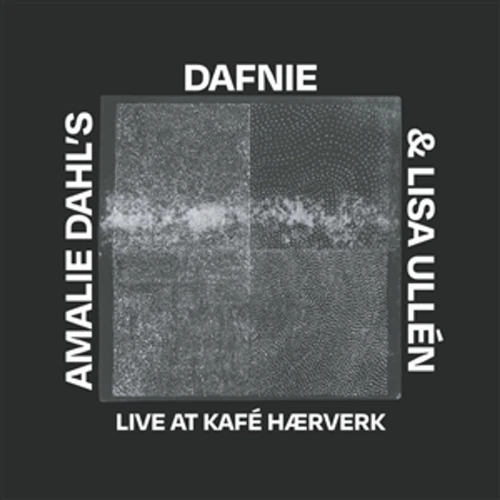
ノルウェーのオスロを拠点に活動する女性サックス奏者、アマリー・ダールの2026年作
- TROST RECORDS / IMPORT / LP(レコード) / TR268LP / 1009303065 / 11月下旬入荷予定
レコード
予約 商品が発売になり次第発送デンマーク出身で現在はノルウェーのオスロを拠点に活動する女性サックス奏者、アマリー・ダールの2026年作。 Recorded at Kafé Hærverk March 27th 2025 by Knut Sævik. Amalie Dahl – alto saxophoneOscar Andreas Haug – trumpetJørgen Bjelkerud – tromboneNicolas Leirtrø - double bassPatrycja Wybra?czyk - drumsLisa Ullén - piano¥5,500 (税込)カートに商品が追加されました カートを見る -
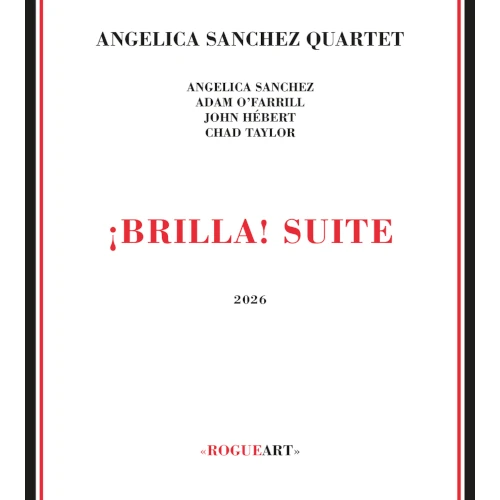
ピアニスト、コンポーザー、アンジェリカ・サンチェス率いるカルテットの2026年作
- ROGUEART / IMPORT / CD / ROG0155 / 1009301201 / 11月下旬入荷予定
CD
予約 商品が発売になり次第発送アリゾナ州出身で1994年からはニューヨークを拠点に活動するピアニスト、コンポーザー、アンジェリカ・サンチェス率いるカルテットの2026年作。 本作に参加したすべてのミュージシャンからは、落ち着きと自信が感じられ、その結果として、力強く表現力に富み、かつ整合性のとれた現代的な作品が生まれています。音楽をほんの少しつまみ食いするように聴くのが一般的な昨今において、このアルバムを最初から最後まで通して聴くことには、計り知れないほどの大きな喜びがあります。味わい深い要素が随所に散りばめられ、アルバム全体の構成も見事です。要約で済ませるのではなく、じっくりと本を読み進めるように向き合うべき作品と言えるでしょう。全編を通して聴くと、オープン・フォーム(自由な形式)での即興演奏を多く含む楽曲の中で、ダイナミクスやタッチ、そして彼らが生まれながらに持つ叙情性が絶えず発揮されていることが確認できます。冒頭から終わりに至るまで、この作品集は数多くの物語を語りかけてくるのです。 Angelica Sanchez: pianoAdam O’Farrill: trumpet, electronicsJohn Hébert: double bassChad Taylor: drums¥3,740 (税込)カートに商品が追加されました カートを見る -
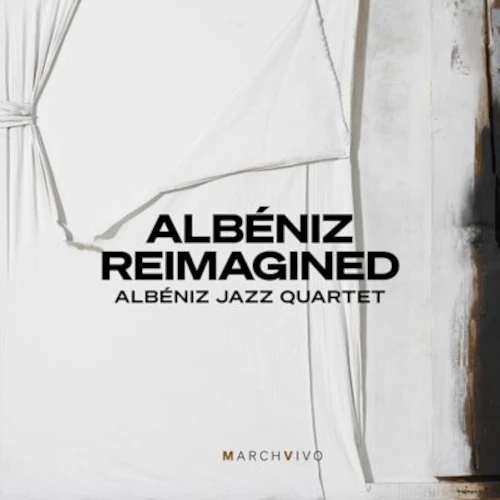
モダン・ジャズへの翻訳で楽しむ、アルベニスが紡いだスペインの旋律
- MARCHVIVO / IMPORT / CD / MV018 / 1009302056 / 10月下旬入荷予定
CD
予約 商品が発売になり次第発送【モダン・ジャズへの翻訳で楽しむ、アルベニスが紡いだスペインの旋律】アルベニスの作品の数々をジャズ・クァルテットで演奏したライヴ・アルバム。「アストゥリアス」や「エボカシオン」などの名曲が持つ繊細で詩的な旋律と、スペイン伝統の民族的色彩を損なうことなく、自由なリズムと新たな和声、現代的な音響パレットで融合させています。さらに「キューバ狂詩曲」に見られるアフロ・キューバンのリズムや、歌曲「Will You Be Mine?」のスタンダード風アレンジなど、多彩なアプローチが即興演奏の中に自然に織り込まれているのも魅力。2009年の企画発足から15年以上の歳月を経て実を結んだ、実力派メンバーがクラシックの遺産への敬意を込めた音楽探究の記録です。アリエル・ブリンゲス(テナーサクソフォン)ダニエル・オヤルサバル(ピアノ)パブロ・マルティン・カミネロ(ダブルベース)ボルハ・バルエタ(ドラム)¥3,520 (税込)カートに商品が追加されました カートを見る -
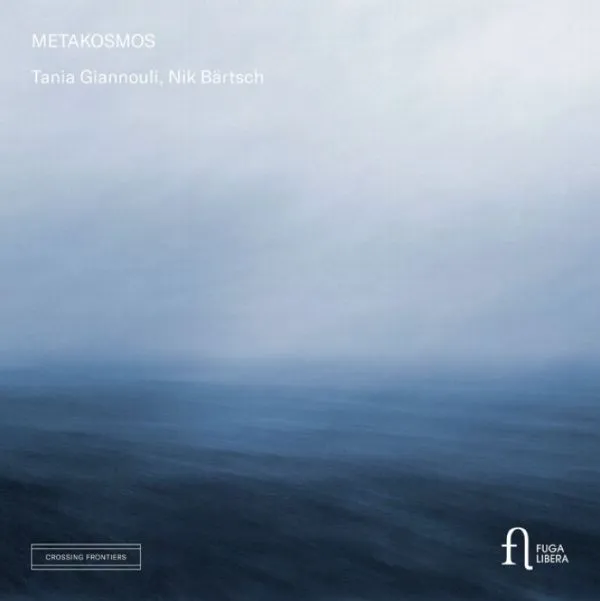
- FUGA LIBERA / JPN / CD / FUG883 / 1009301977 / 10月下旬入荷予定
CD
予約 商品が発売になり次第発送輸入盤国内JANコード仕様 帯、ライナー無し 【2台のピアノが、エフェクトやループなしで描く音宇宙】ギリシャ出身のタニア・ジャンヌーリは、ジャンル分けを否定するcreativity-firstの信念のもと直感に導かれたアプローチを行い、自身のバンドのほか前衛的なフリー・インプロヴィゼーションも展開しています。スイス出身のニック・ベルチュは、幼少の頃からドラムとジャズに親しみ自身のバンド「MOBILE」や「RONIN」で革新的なコンポジションを発表、日本文化やその精神性に強い影響を受けました。そんな独自の道を歩んできた2人のピアニストが、2022年のフェスで出会ったことをきっかけに結成したデュオによるアルバムは、ベルチュが研究したというバルトークの「ミクロコスモス(小さな宇宙)」にあやかった「メタコスモス(宇宙を超えて)」。エフェクトや電子的なループを一切使用せず、2台のグランドピアノのみで、現代的なオーケストラや自然の音風景、音が描くマインドマップを思わせる極めて緻密な音響空間を構築しています。----------------------------------------------------------------------------------------人生においても芸術においても、これほど貴重な体験はそうそうありません。異なる背景を持つ二人が、結末の読めない対話に身を投じ、互いに信頼を寄せ、その信頼を楽器に託し、楽器を通してそれぞれの高度に洗練された「言語」を語り合い、そうすることで共に新たな言語を創り出すのです。それは、これまで語られたこともなく、他の誰にも語り得ない言語でありながら、より高い次元で感じ取られ、即座に理解されるものでもあります。根源的な力と、人を惹きつけてやまない身体的な実在感を伴った言語なのです。この類まれなデュオを組む二人の名ピアニスト、ニック・ベルチュとタニア・ジャンヌーリが奏でる音楽は、音響的にも精神的にも、「純粋で作為のない贈与」とでも呼ぶべき哲学に基づいています。この音楽は、調和をもたらす要素として、また共感覚的な体験へと昇華する自然美の象徴として、人生やそのありように極めて有機的に溶け込んでいきます。時に映画音楽のような喚起力を持つ、ジャンヌーリの魅惑的で煌めくような旋律。その上でベルチュが暗い色調のリズムを織り成し、感覚の凝縮と重なり合いを導き出していくと、やがてこの音楽は、舌の上で感じる温かく土の香りを帯びた味わいのように知覚されるようになります。こうして、共鳴、流れ、空間、そして構成(ドラマツルギー)が、超越的な現象を生み出します。それは、明確で一貫性のある「メタコスモス(高次の宇宙)」であり、自律的なエネルギーなのです。このプロセスは、音楽家たちの間で広がる社会的かつ音楽的な営みの中で展開され、やがて彼ら個人を超越し、「個」を超えた新たなアイデンティティへと変容していきます。クラシックの素養を持つギリシャの作曲家兼ピアニスト、タニア・ジャンヌーリは今や、ヨーロッパ・ジャズ界の最高峰で活躍しています(英『Jazz News』誌は彼女の演奏を「催眠的」と評しました)。ある意味で驚くべきことに、この展開はジャズの本場にまで届いています。世界で最も重要なジャズ批評家投票である「ダウンビート・クリティックス・ポール(DownBeat Critics Polls)」において、彼女は2025年の「ライジング・スター(新人賞)」部門のピアニスト候補に名を連ねたのです。特筆すべきは、現時点で彼女のアルバムは米国では一枚もリリースされておらず、コンサートも一度も行われていないにもかかわらず、この評価を得たという点です。タニア・ジャンヌーリの音楽を真に特別なものにしているのは、完璧なまでに正確な技巧と、生々しく映画的な情感との絶妙なバランスです。彼女は単にジャズやクラシックを演奏するのではなく、遥か太古の響きと強烈な現代性が同居するような、聴き手を包み込む音の風景(サウンドスケープ)を創り出します。数々の賞に輝くスイスの作曲家・音楽家・作家であるニック・ベルチュは、常にグルーヴを重視し、何よりも集団としてのアンサンブルを重んじる、極めて身体性の高い音楽スタイルを確立してきました。その創作にあたっては、ミニマル・ミュージックから、故・黒澤明監督の映画芸術、日本の武道や禅、さらにはコミックの美学に至るまで、音楽・非音楽を問わず幅広い分野から影響を取り入れています。さらに彼は、即興音楽の可能性を独自のやり方で押し広げ、そのスタイルは「ジャンルを定義づけるもの(スタイル・ディファイニング)」と評されています(フランクフルター・アルゲマイネ紙)。タニア・ジャンヌーリとニック・ベルチュは、それぞれ独自に、ドイツ最大級のジャズ・フェスティバル「Enjoy Jazz」での数多くの公演を通じて、同フェスティバルを代表するアーティストとしての評価を確立していました。両者とも2022年には同フェスティバルの「アーティスト・イン・レジデンス」を務めています。フェスティバルのディレクターであるライナー・ケルンが翌年のデュオ・コンサートを提案したことで、二人の共演が実現しました。チケット完売となったこのコンサートは、観客や批評家から絶賛を博し、新たな音楽的コラボレーションの幕開けとなりました。そして今、その歩みは「Enjoy Jazz」の共同プロデュースによるアルバム『Metakosmos』において、さらなる素晴らしい到達点に達しています。クラシカルな室内楽の精緻なディテール、バルカン音楽の伝統に根ざした打楽器的なアプローチ、聖歌の儀式的な構造、そしてジャズの即興性と自由さが有機的に融合。ギリシャのストア派哲学と日本の禅に通じる「今この瞬間の静寂とエネルギー」に焦点を当てた、高度な技術と深い聴取に基づく音響哲学が提示されています。優れたSteinway Dピアノを備えたホールで録音されており、2台のピアノが交わす親密な対話と緊密なコミュニケーションが、聴き手をも包み込む自律的な「音響宇宙」を立ち上げます。余計な虚飾を排した、現代ピアノ音楽の新たな地平を示す一作です。タニア・ジャンヌーリ、ニック・ベルチュ (ピアノ)¥3,520 (税込)カートに商品が追加されました カートを見る -
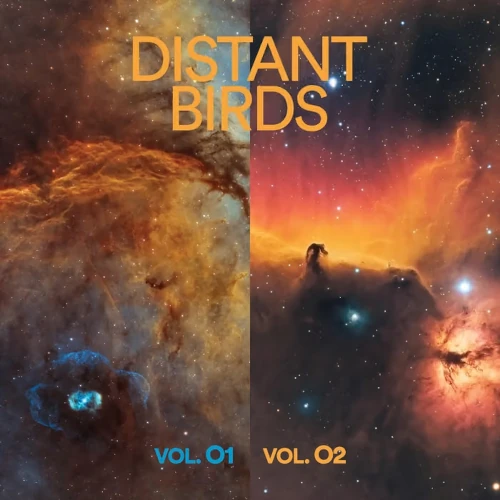
ジ・ネックスの鍵盤奏者クリス・エイブラハムズと、ボーイ&ベアーのベーシスト、デイヴ・シムズによる注目の新コラボレーション作
- EARSHIFT MUSIC / IMPORT / CD / EAR107 / 1009301812 / 11月下旬入荷予定
CD
予約 商品が発売になり次第発送ジ・ネックスの鍵盤奏者クリス・エイブラハムズと、ボーイ&ベアーのベーシスト、デイヴ・シムズによる注目の新コラボレーション作。Moogシンセ、ローズ、ハモンド・オルガンが包み込む黄昏の音響空間と、70年代アフロビートやダブ、ソウルのグルーヴが融合したミニマル&サイケデリックな傑作。chris abrahams - moog synthesizer, fender rhodes, hammond organdave symes - bass, musical directionevan mannell - drums¥3,080 (税込)カートに商品が追加されました カートを見る -
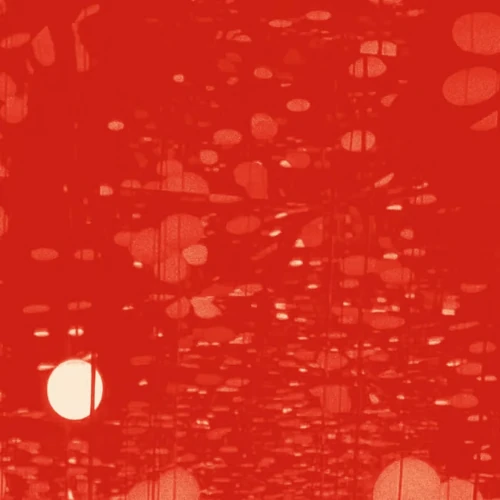
ブライアン・イーノやジョン・ハッセルの系譜を継ぐ、美しく深遠な音響・アンビエント・ジャズ
- EARSHIFT MUSIC / IMPORT / CD / EAR136 / 1009301811 / 11月下旬入荷予定
CD
予約 商品が発売になり次第発送トランペット奏者/作曲家ピーター・ナイト率いるプロジェクトTL;DRによる待望の最新作。ブライアン・イーノやジョン・ハッセル、ローリー・アンダーソンの系譜を継ぐ、美しく深遠な音響・アンビエント・ジャズを展開。トランペットと電子音響、ミニマルなアンサンブルが高次元で融合した極上のアンビエント・ワークス。2025年ARIA賞ノミネート作品。peter knight - trumpet, electronicsdung nguyen - dan bau, electric guitaramanda brown - violin, vocalshelen svoboda - bass, vocalsjoe talia - drums, electronics¥3,080 (税込)カートに商品が追加されました カートを見る


チェックしたアイテム RECENTLY VIEWED
チェックしたアイテムはありません
こちらから


ニュース&特集 NEWS & FEATURES
2026.10.15
トピック

2026.09.04
トピック

2026.09.04
トピック
2026.10.17
レゲエ

2026.10.17
レゲエ


2026.10.17
ソウル・ブルース
2026.10.17
ノイズ ・ アヴァンギャルド
2026.10.16
レゲエ

2026.10.16
トピック
2026.10.16
ラテン・ブラジル・ワールド
2026.10.16
クラブ・ダンス
2026.10.16
クラブ・ダンス


読み込み中...
アーティスト
タイトル
レーベル
詳細検索
読み込み中...
チェックしたアイテム RECENTLY VIEWED
チェックしたアイテムはありません